



Introduction
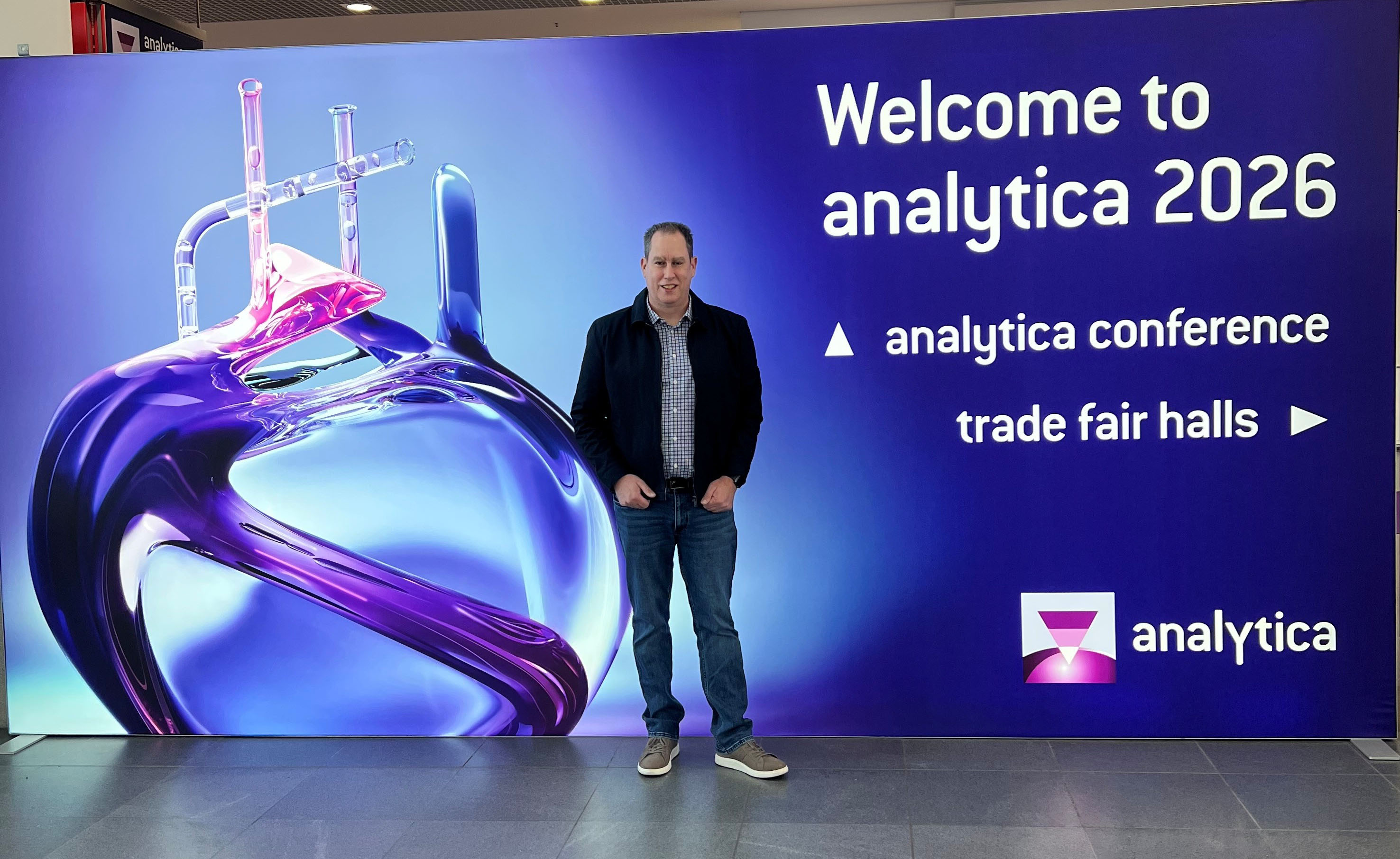
Analytica is the world’s leading trade fair for laboratory technology, analysis, biotechnology and diagnostics. Analytica 2026, held 24-26 March in Munich, entailed the interactions of instrument manufacturers, software and consumable suppliers, researchers, lab managers and industry end‑users from diverse fields ranging from food and beverages, pharmaceuticals, environmental testing and clinical diagnostics.
The exhibition halls house hands-on product demonstrations and new product launches from thousands of exhibitors. The Analytica conference is run in partnership with the trade fair and brings together world leading scientists presenting their latest research in topics across spectroscopy, chromatography, mass spectrometry, laboratory automation, sample preparation, digital laboratory systems such as Laboratory Information Management Systems (LIMS), Electronic Lab Notebook (ELN), chemometrics/AI, green laboratories and bio analytics.
Laboratories and scientific research are evolving rapidly, and Analytica gives scientists the opportunity to stay abreast of the latest technology and digital solutions, as well as the direction of research in different fields. It enables networking and the ability to accelerate decision making and to keep up with modernisation of laboratories.
The purpose of this report is to highlight current trends and identify new technologies that were observed at Analytica.
Green analytical chemistry
Current laboratory workflows continue to create unsustainable pressures on the environment, contributing to climate change, biodiversity loss and pollution. Green chemistry is a major theme for Analytica with new technologies being exhibited at the trade fair, and numerous lectures focusing on green chemistry research. It is reassuring to see that chemical-based industries are trying to move towards green chemistry principles.
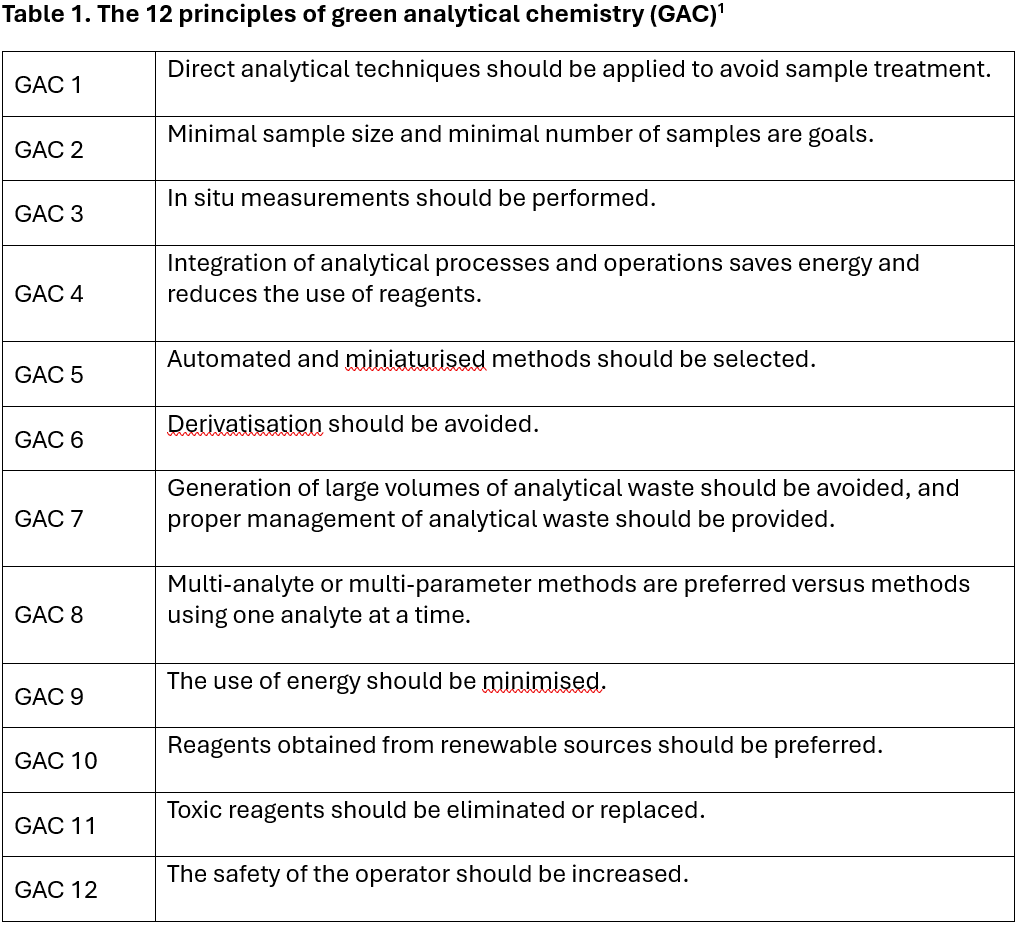
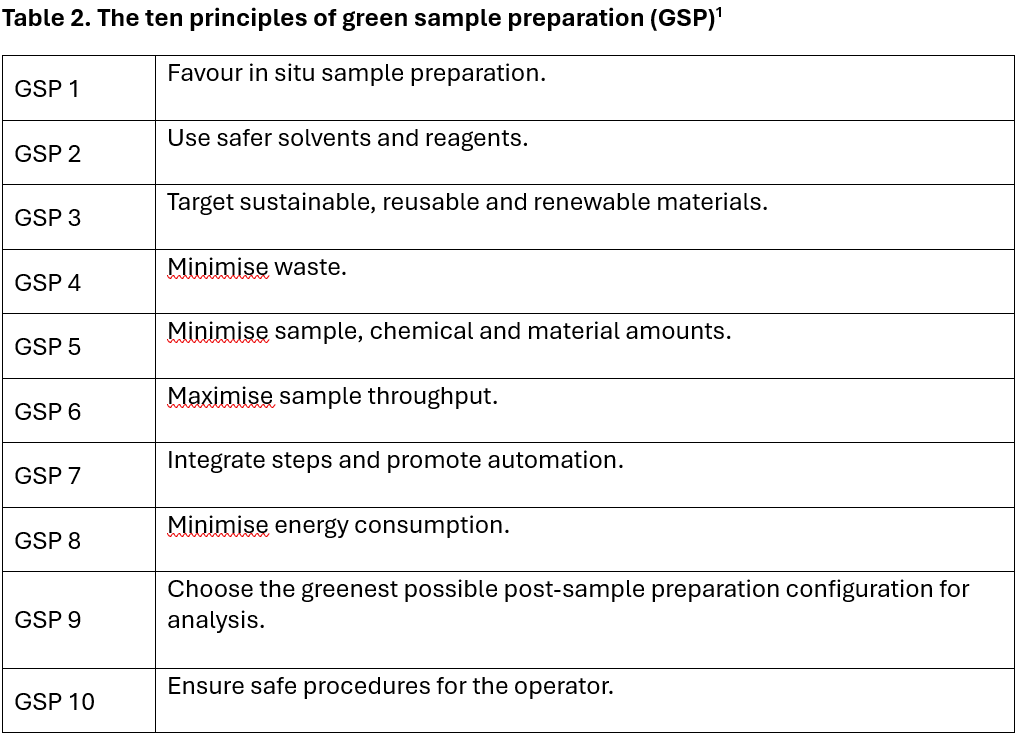
Analytical laboratories are notoriously wasteful, using large amounts of solvents and single use vials and tubes. This has led to the introduction of the 12 principles of green analytical chemistry (GAC) and the 10 principles of green sample preparation (GSP) that have been developed to focus on laboratory practices and address the environmental impact of the consumption and disposal phases through the minimisation of materials and energy input, as well as waste generation (Tables 1 & 2).
While most analytical chemists can see the value of these green principles, there is still reluctance to change working practices or update protocols, and few of these principles have been incorporated into approved international standards.
Most analytical laboratories are required to follow international standard methods for legislated purposes. Many of these methods were developed before environmental awareness permeated the industry and they rely on sample preparation procedures not in line with present trends. Some private and industrial laboratories consider sustainable or more eco-friendly sample preparation methods as an extra burden rather than an opportunity for effective management and efficient, cost-effective, and socially responsible, practice.2 Many organisations for standardardisation have committed to adapting current standard methods when they are reviewed and will be adjusted to align with the green chemistry principles. Unfortunately, this is a slow process.
The International Union of Pure Chemistry (IUPAC) has developed a project to check the greenness of official standard sample preparation methods (Fig. 1). This project aligns with the Sustainable Development Goals (SDGs) of the 2030 Agenda for Sustainable Development.
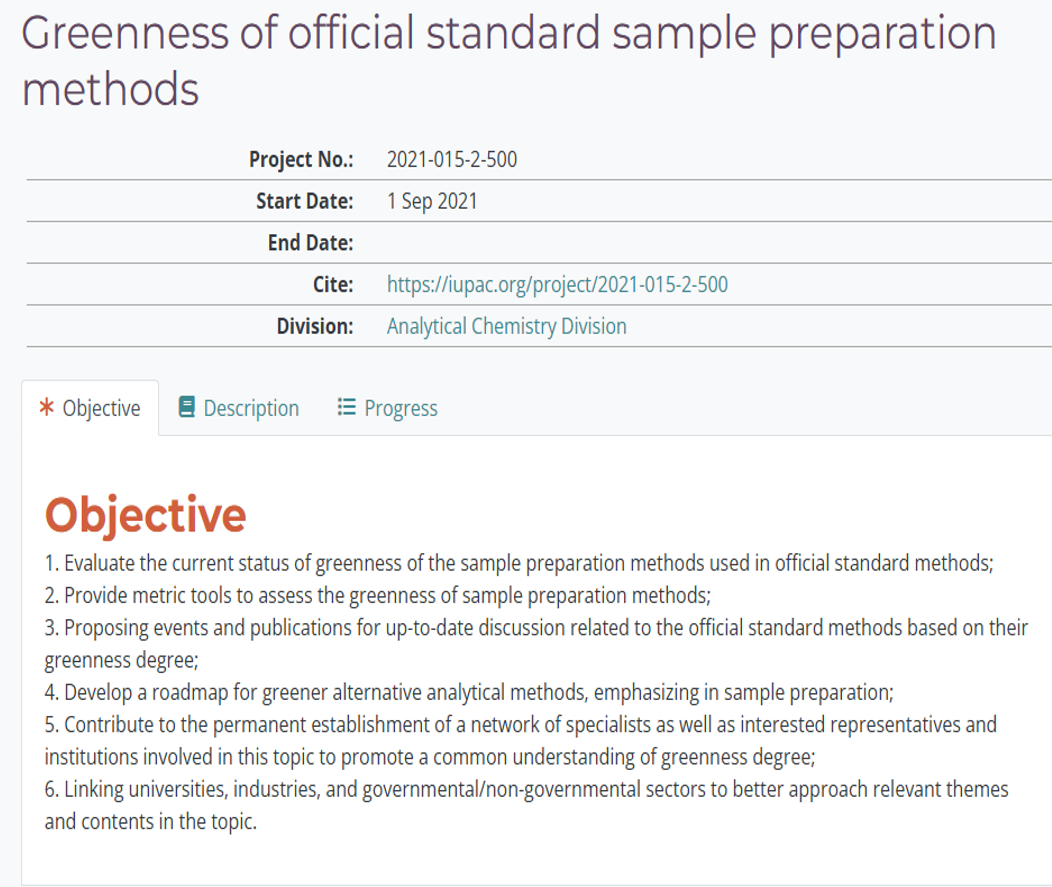
Fig. 1. IUPAC Project No.: 2021-015-2-500 (https://iupac.org/project/2021-015-2-500, 2021).2 Reproduced with permission.
Progress so far in the project has been positive, and many official standard methods have been evaluated. The importance of green metrics was promoted, and assistance was provided to academics and non-academics for evaluating sample preparation methods using the free online AGREEprep tool (Fig. 2).
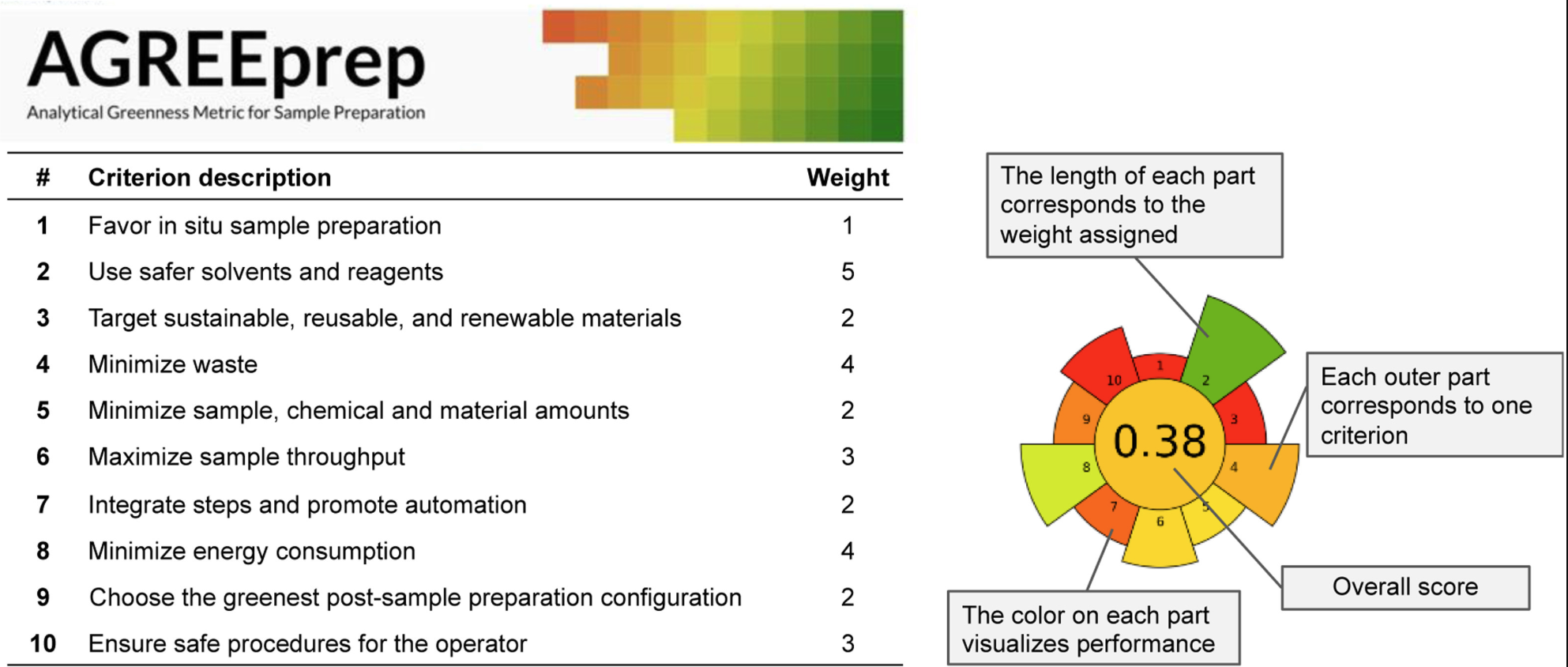
Fig. 2. AGREEprep analytical greenness metric for sample preparation calculator with open-source software available at https://mostwiedzy.pl/pl/wojciech-wojnowski,174235-1/agreeprep
AGREEprep is a metric tool for assessing the greenness of the sample preparation stage of an analytical method. It is accompanied by open-source GUI-based software that is intended to facilitate the assessment by guiding the user through the 10 criteria. The tool then produces a score for each of the 10 criteria along with a detailed report.
A review of outdated standard methods was carried out,3 revealing that 67% of evaluated methods scored below 0.2, highlighting a widespread lack of alignment with GAC and GSP principles. Scores below 0.2 are considered poor, scores of 0.2 to 0.5 are low to moderate greenness and 0.5 to 1.0 are acceptable to excellent green performance (Fig. 3). Four analytical areas or working groups (WG) were analysed for this review. As Fig. 3 reveals, only one working group, that of trace metals, scores well and there is still considerable work to be undertaken to make analytical science more environmentally conscious.
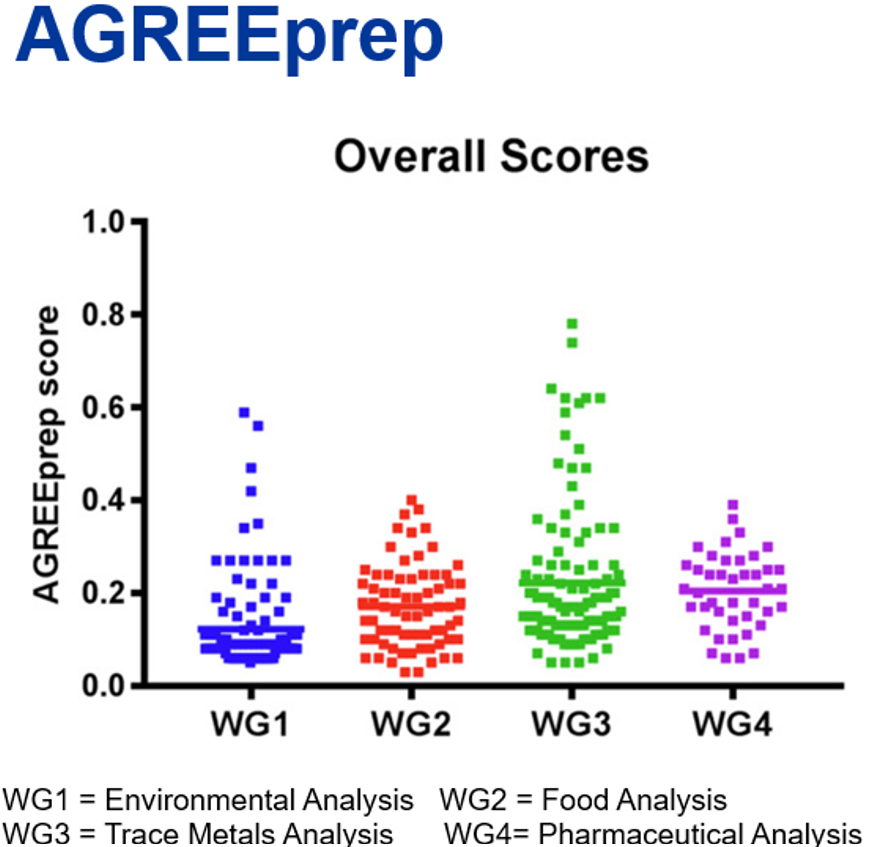
Fig. 3. Review of standard methods over different analysis types / working groups from Benedé et al.3 Reproduced with permission.
The choice of solvent is one of the most important decisions when developing green methods. Most traditional solvents are problematic, especially when used in large amounts. Yet solvents are essential in analytical chemistry and play a crucial role in determining the outcome of quantification. Although solvent consumption in the analytical sciences accounts for only a small fraction of the total chemical sector’s consumption, the amounts used are still significant. For example, estimates suggest that liquid chromatography alone consumes nearly 150 million litres of solvents each year.4 The GreenSOL tool was developed to evaluate solvent greenness (Fig. 4), allowing researchers to make informal decisions when updating or creating new protocols.
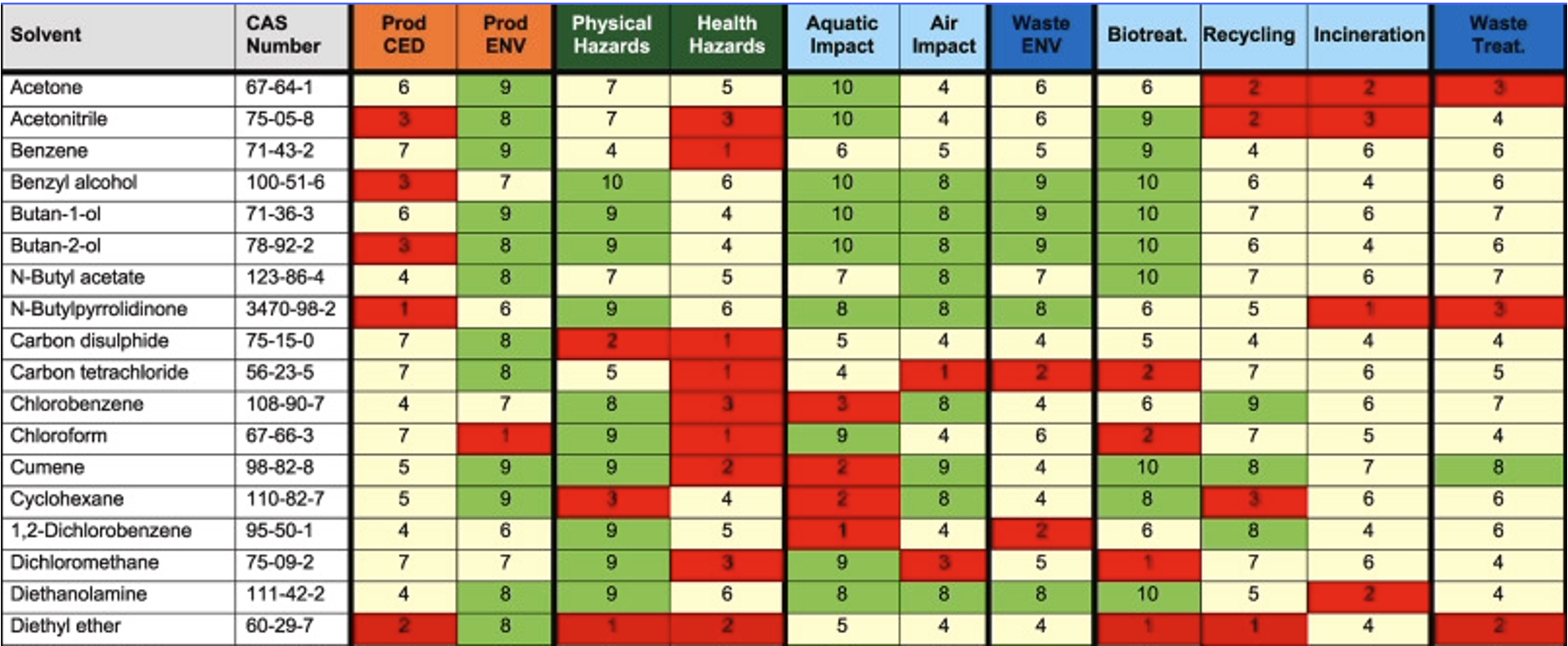
Fig. 4. GreenSOL scoring of solvents https://greensol.tuc.gr/greensol/. Table adapted from Stampolaki et al.4 with permission.
GreenSOL is a detailed evaluation of solvents and uses three phases to calculate the solvents’ greenness score. The three phases are (i) production, (ii) use and (iii) waste, considered as the main categories for assessing scores. The list was compiled based on information from major chemical suppliers and a comprehensive review of current and past analytical applications.
It was great to see the focus that is being placed on green chemistry during the Analytica conference. It shows that the science community is aware that changes need to be made to laboratory procedures and methods. This will benefit the environment through less pollution of hazardous waste discharged into the air, water and soil, along with lower greenhouse emissions and reducing the risk of exposure to scientists working on these methods. There are also economic benefits due to reduced waste disposal costs, increased throughput of samples and reduced costs of chemicals, solvents and consumables.
Laboratory digitalisation & automation (Future Labs)
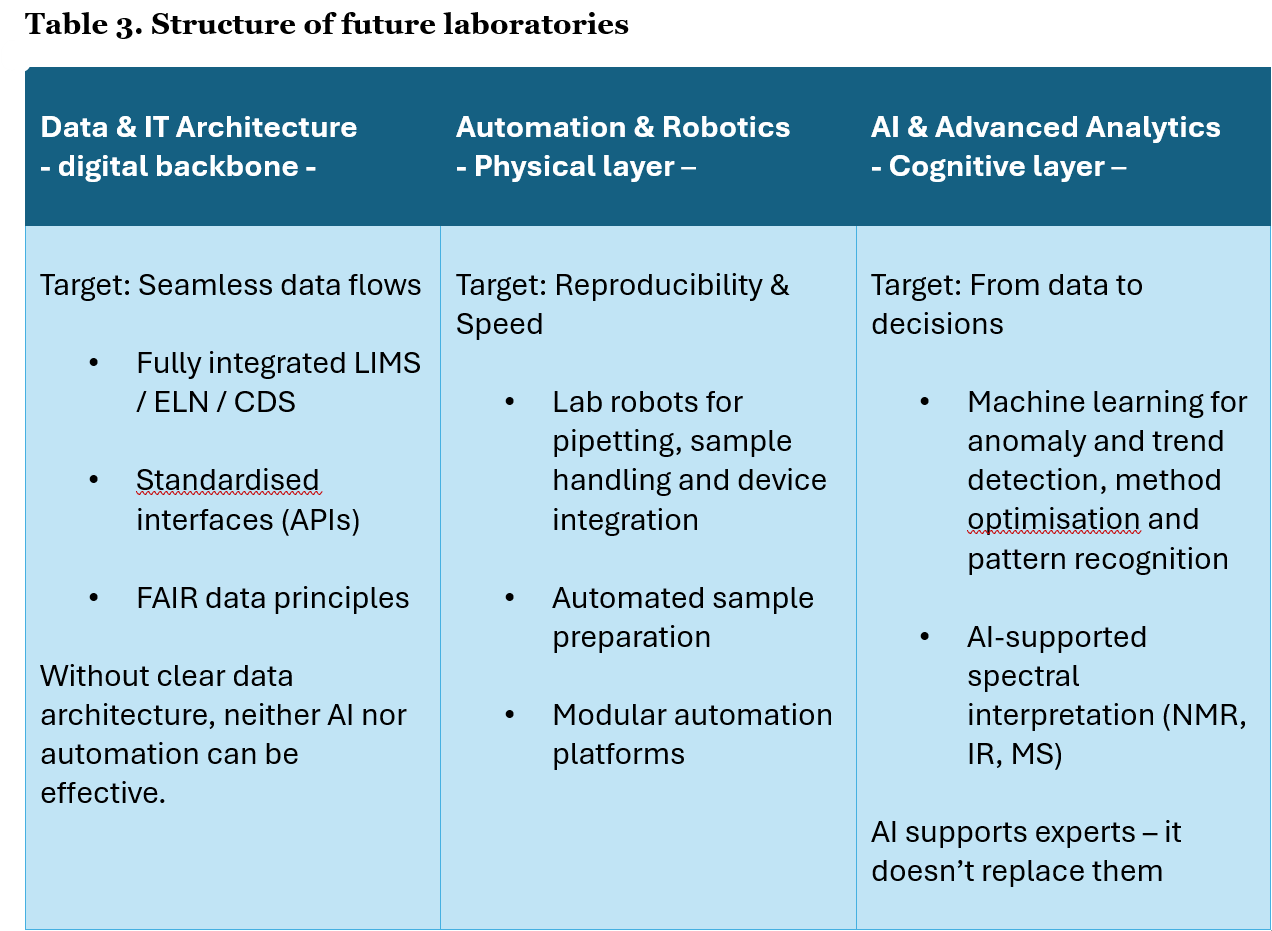
A day of the conference was devoted to Future Laboratories and how automation and digitalisation could make bench work more efficient. In this sense automation refers to robotics, sensors, sampling handling and process execution, while digitalisation refers to Laboratory Information Management System (LIMS) and Electronic Laboratory Notebooks (ELN), data models, AI /analytics, digital twins and networking (Table 3).
Data & digitalisation
FAIR Data Principles
We’ve all discounted old data that we cannot read or that is coded for proprietary software for a now discontinued instrument. This is frustrating and limits advances. The FAIR Data Principles are a set of international guidelines designed to optimise the reuse, discovery and machine-readability of research data. The acronym stands for Findable, Accessible, Interoperable and Reusable. They emphasise maximising the value of data without necessarily making it completely open.
The benefit of this approach is it dramatically improves the value, usability and longevity of laboratory data.
Findable (F): Data and metadata are easy to find, possessing unique identifiers (e.g. DOI) and rich descriptions to assist search engines.
Accessible (A): Data retrievable using standard, open protocols (e.g. HTTP). Even if the data are restricted (e.g. in propriety software), the metadata should be accessible.
Interoperable (I): Data with common languages, vocabulary and formats, allowing it to be combined with other data sets or used in applications.
Reusable (R): Data are well-documented, includes provenance information and holds a clear usage license to allow future research and replication.
This is an important concept for chemists working in large analytical laboratories where massive amounts of data are produced across a range of instruments supplied by multiple vendors. Implementing these principles will make this data easier to find and export in the future. It makes the data more useful and will allow more insights to be gained from analysis.
Scientific data modelling
As well as discussing what data was collected and how it should be stored, there were a lot of presentations that outlined how the data could be used to model various processes. Yet again, this reaffirms the importance of making the data useable. A common theme amongst many of the talks was the use of Random Forest. This is a machine learning model that utilises multiple decision trees in what is collectively known as a “forest” and uses these trees to make a prediction. Decision trees can be visualised as a flow chart of conditions that can be used to most accurately classify or predict outcomes (Fig. 5). The decision trees yield decisions or model predictions in aggregate by utilising the collective outcomes of all the trees in the forest. This model works effectively without data normalisation or standardisation and only requires small datasets for training. It has been shown to be useful for method development and validation.
A great example of this technique in use is a German study that classified the geographical origin of 220 asparagus samples.5 This paper is also discussed in the next section of this report, covering data fusion.
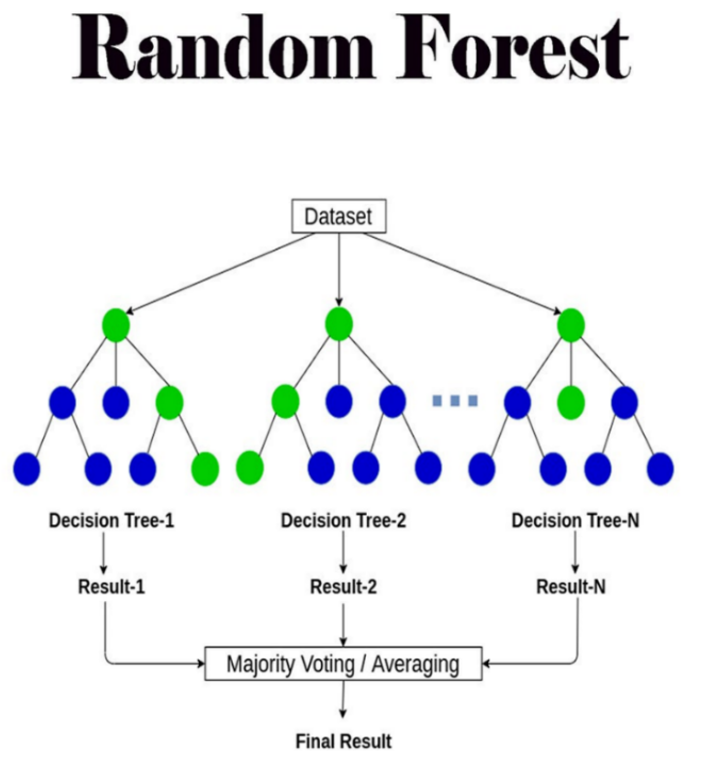
Fig. 5. Decision trees in Random Forest data modelling
Data fusion
Data fusion is the process of integrating data from multiple analytical instruments, sensors and information systems to produce more consistent, accurate and useful information than any individual source can provide. Once again, this highlights a reason to make data useable.
Data fusion is widely used in characterisation and authentication of foods. Food fraud is a timeless issue that affects many different foods. Examples of this food fraud is the adulteration of foods, for example diluting olive oil with cheaper vegetable oils, cutting pure honey with cheap corn syrup and sugar water and lying about the origin of products.
An example of this is a German study that classified the geographical origin of 220 asparagus samples. This study looked at white asparagus, which is a German heritage asset with several protected geographical indicators under EU regulations. This asparagus is seen as a high quality product by consumers who prefer local products to imported ones, which is reflected in the prices of the product.5
The study used ICP-MS and LC-MS datasets for the elemental and metabolic fingerprints of the asparagus for the authentication of the geological origin. By combining these data sets, it led to an improvement in accuracy from 88% to 92.3%.5
Self-driving / dark labs
Self-driving labs are closed loop feedback systems that allow self-optimising workflows (Fig. 6). The combination of artificial intelligence (AI), cloud computing and integrated platforms will change how laboratories operate in the future. Sensors in the closed loop system continuously monitor experiments and processes, analyse data and form new hypotheses and decide on next steps, allowing synthesis to be optimised or analytical methods developed with minimal human input. The term ‘dark lab’ comes from the idea that these labs can operate continuously without people physically present, as if the lights were off.
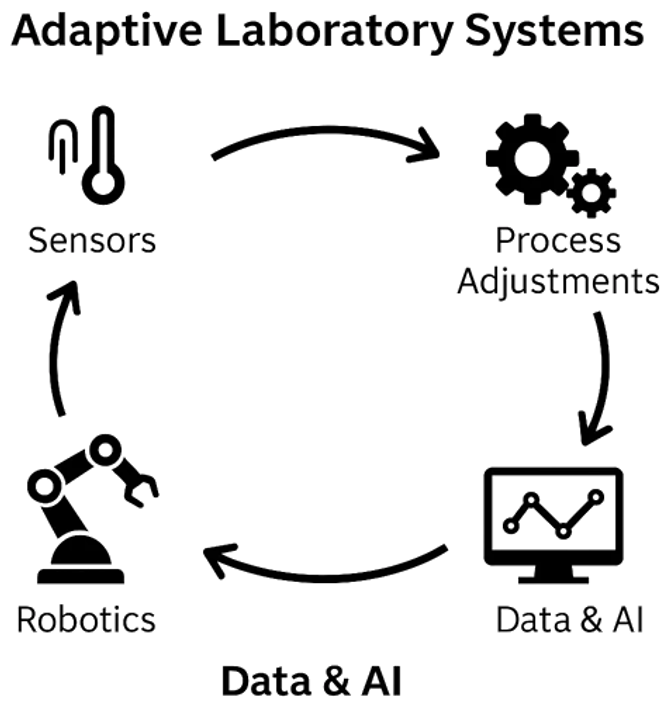
Fig. 6. Overview of self-driving / dark labs
Key features
One key feature of these labs includes automated experiment execution, where robots and automated instruments perform sample preparation, measurements and data collection. Another is AI-driven decision making, where machine learning algorithms analyse experimental data in real time, decide the next best experiments to run and anticipate deviations or errors. In a closed-loop system, the lab continuously cycles through hypothesis generation, experimentation and analysis autonomously. Oversight and control of the real time processes are monitored remotely, with scientists able to adjust experiments remotely via software interfaces.
Benefits
One clear benefit of these labs is that increased throughput can be enhanced by automation, which enables running many more experiments in parallel or continuously than is possible with a single human resource. They also enable a faster discovery cycle utilising AI-driven decision-making that rapidly identifies promising avenues, speeding up R&D progress. Improved reproducibility is possible as robots execute protocols precisely and consistently, reducing variability and human error. These systems enable 24/7 operation work flows as labs can run experiments continuously without breaks, accelerating timelines. Over time, these systems can be more cost efficient, as they reduce labour costs and optimise reagent/sample usage through intelligent experimental design. As all data are captured automatically and digitally, data-rich insights and AI analysis are possible, which can generate large, high-quality datasets for deeper understanding. The process can also be easily scaled up for complex workflows that would be impractical manually.
The University of Toronto is building self-driving labs that could change the pace of early drug discovery. They merge automated synthesis, biological screening and computational intelligence into a seamless cycle of discovery. They note that the early stages of drug discovery are the most unpredictable, and a major bottleneck. Building self-driving labs will speed this process up significantly.6
Automated sample preparation
Laboratory automation was one of the biggest parts of the Analytica trade fair and believed to be integral to laboratories of the future. Most of the systems viewed were specialised automated sample preparation systems focusing on the extraction of contaminants. These automated systems were installed on top of analytical instruments and would handle the sample preparation followed by the direct injection of the clean analyte into the instrument, allowing the analysis of multiple samples with minimal manual labour. Contaminant analysis is big in Europe and continues to grow as regulations get tighter or new regulations are developed for new contaminants.
Automated processes in the laboratory have numerous benefits in higher throughput, redeployment of critical human resources, improvements in reproducibility, lowering on-going costs and benefits to both the environment and human health. Laboratory automation is one of the 12 principles of GAC (Table 1). Forward thinking companies will not see this as a chance to downsize laboratory staff, but as an opportunity to redeploy them on more challenging and rewarding tasks.
Automated rail systems
Automation rails, such as those produced by Gerstel, are specialised systems designed to streamline and automate various aspects of sample preparation in laboratories (Fig. 7). The range of companies that offer these rail systems is large, most have similar functionality, but the focus here in on the Gerstel brand due to the range of options it offers. The advantage of these systems is that they are not developed with a single analyte in mind but can be programmed / configured to handle a variety of samples and extraction procedures. These rails can operate offline, preparing a sample that a laboratory researcher then uses, or they can be integrated directly with analytical instruments (online), allowing for seamless sample preparation injection and analysis. Gerstel, part of the Velaris brand, have hundreds of application notes for sample preparation and analysis of different compounds using their automation rails.7
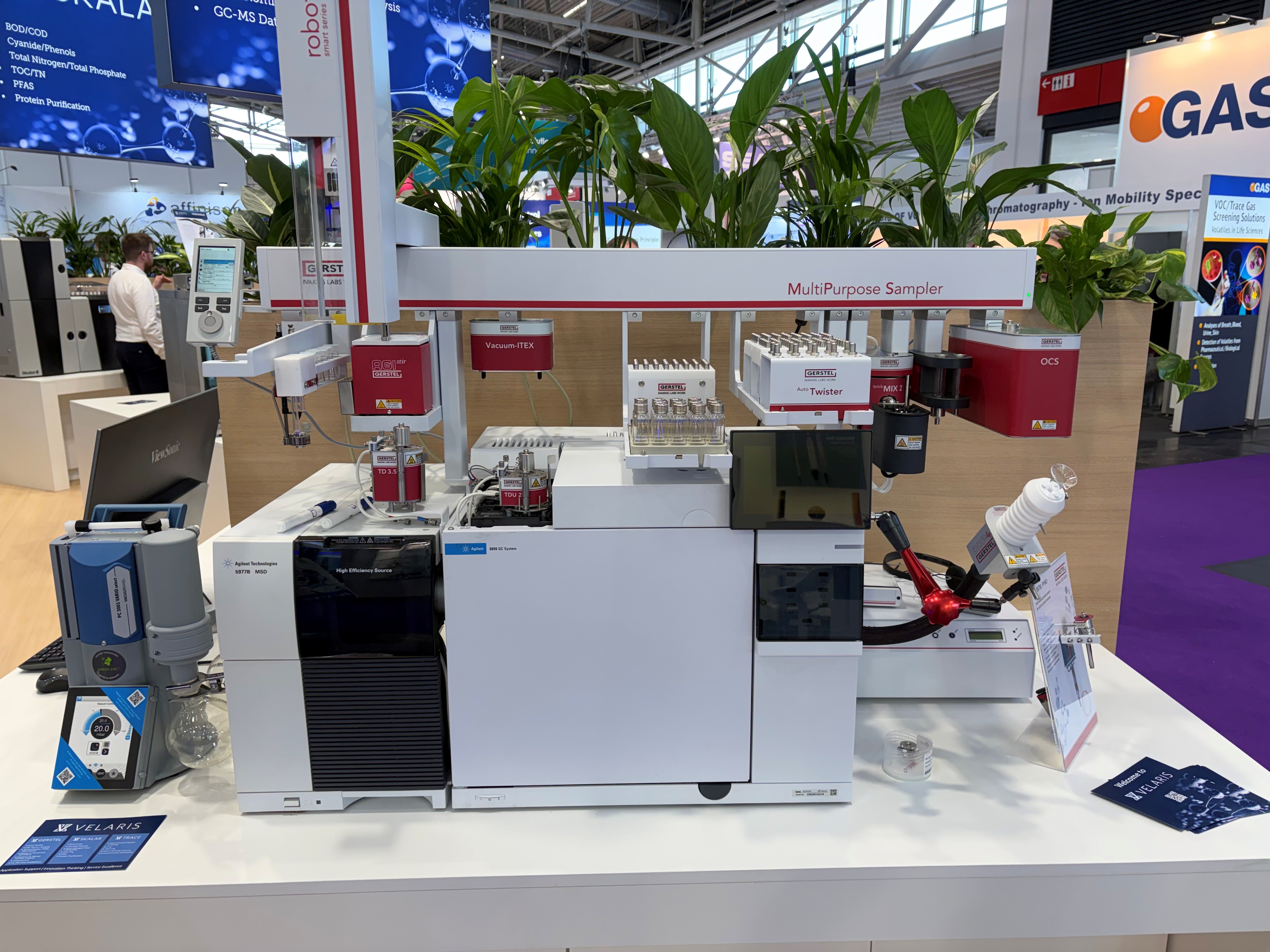
Fig. 7. Gerstel multi-purpose sampler
The components of an automation rail typically include robotic arms, which are used for liquid transfer and vial transportation, and various modules for tasks such as pipetting, diluting and mixing. The software used to control these systems has been designed to be technician friendly, although some are easier to use than others.8
The sample preparation options on these rails are:
- Derivatisation
- Incubation
- Centrifugation
- Dilution and standard addition
- Vortex mixing
- Temperature controlled storage
- Transport of vials (by use of magnetic caps)
- Automatic robotic tool change (in case of multiple volume dispensing)
- Barcode reading
- Filtering (Gerstel)
- Ultra sonification water bath (Gerstel)
- Balance
- SBSE (stir bar sorptive extraction), (Gerstel)
- TP-SPME (thin-filmed-solid-phase-micro-extraction), (Gerstel)
These automation rails can do:
- Liquid / Liquid phase extraction
- Liquid / Solid phase extraction
- Micro solid phase extraction (SPE)
- Static and dynamic headspace
The sample preparation rails can be connected to instruments and have the following injection techniques:
- GC liquid
- LC liquid
- GC headspace
Olfactory detection port (ODP)
Flavour is an important area of research and relating particular molecules to a particular odour is key. One way of achieving this is through the use of an olfactory detection port (ODP). This technique allows volatile samples to be separated on a gas chromatography (GC) column and then the stream of analytes split between a person sniffing and the detector. This allows the odour of the compound to be related to its structure / identity. The Gerstel ODP 4 is a gas chromatography-olfactometry (GC-O) port that allows the instrumental and olfactory detection of odour-active substances to be performed in parallel (Fig. 7 - on right hand side connected to the gas chromatograph).
The main industries that use this technique are food and beverage companies and scented consumer products and cleaners. A great example of this is included in a paper by Bartsch et al.9 describing the analysis of odour compounds from scented consumer products using GC-MS and GC-O. The aim of this study was to investigate the release of volatile odorous substances from the emissions of commercially available scented consumer products (candles, printing products and other fragranced products), meant to be used mainly inside.
The emissions were determined by adsorption on Tenax TA filled stainless steel tubes followed by thermal desorption (TD). The two chosen analysis methods were GC-MS and GC-O.
Automated workstations
Automated workstations are different to automated rails in that the modules are on a flat platform rather than a rail (Fig. 8). These systems are becoming more popular as they can handle bigger sample volumes and vial / tube sizes compared to the rail formatted automation.
This is great for methods that require large samples in order to identify trace quantities of the compound. These systems still offer a wide range of functionalities, including:
- Dilutions
- Liquid transfer
- Pipetting
- Mixing
- Heating
- Solid phase extraction
The weakness with some of these systems is that they don’t have a centrifuge function. https://www.sigmaaldrich.com/NZ/en/products/lab-automation/aaw-automated-assay-workstation
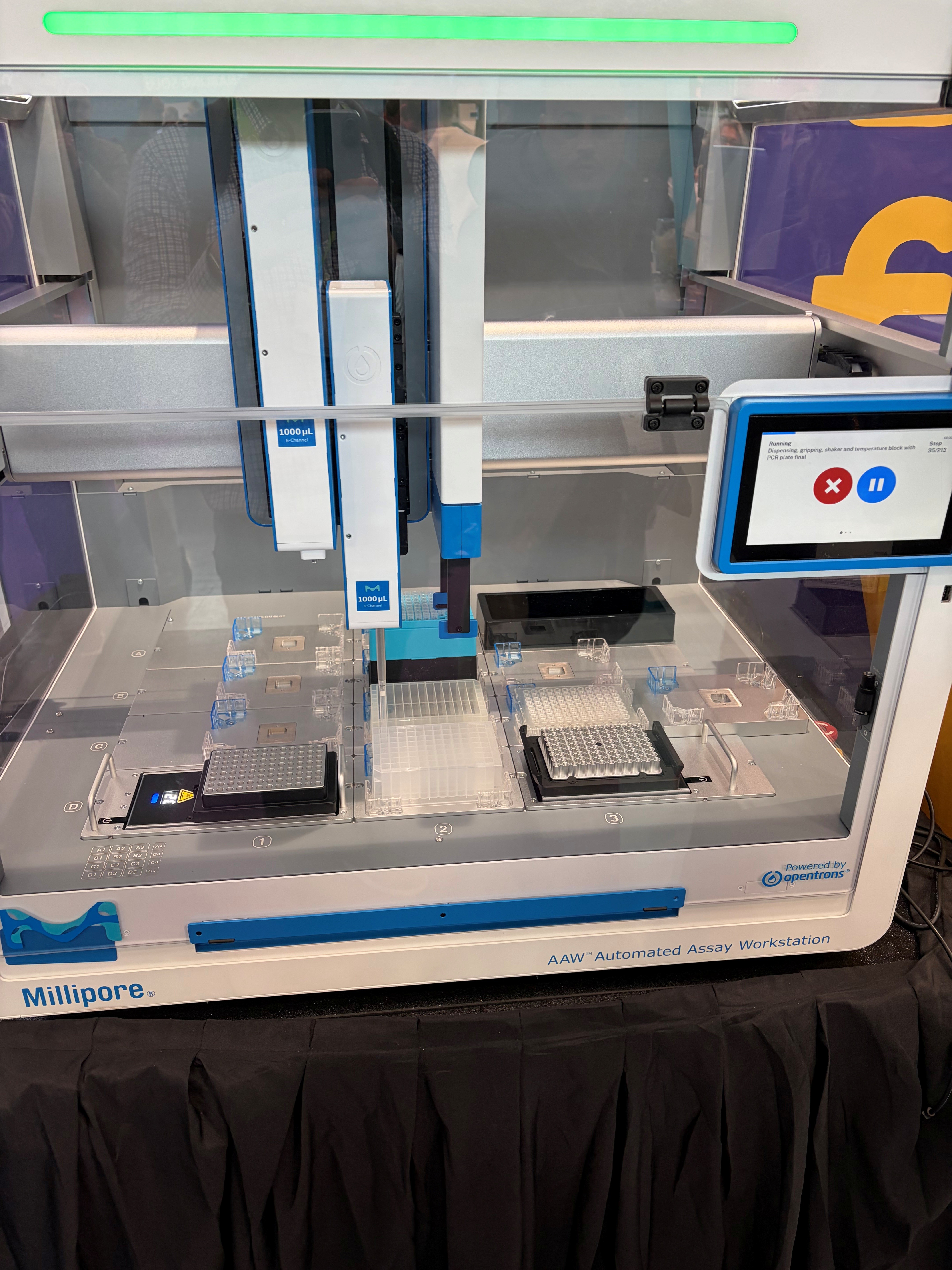
Fig. 8. Millipore AWW modular automated workstation
Pipetting robots
There was a selection of manufactures with pipetting robots but the most impressive was the wonderfully named Waters Andrew+ pipetting robot:
https://www.andrewalliance.com/
The Andrew+ pipetting robot provides fully automated liquid handling using electronic pipettes and labware holders called dominos. This flexible system allows you to easily switch from tedious manual pipetting to error-free, fully automated lab workflows, without needing any programming, laboratory robotics, or automation engineering knowledge. The Andrew+ uses single and multichannel pipettes, which are specially designed and manufactured by Sartorius for the Andrew+ robot.
This provides superior experiment reproducibility, pipetting speed and a market leading dynamic range of dispensing volumes for a liquid handing robot - from 0.2 µL up to 10 mL.
There is a wide range of dominos, catering for all sizes and shaped vials. The dominos are magnetically bound and can be rearranged easily. The dominos are set into 2 rows making the system very compact, and can easily fit into most laboratories, even into fume hoods if you are working with dangerous chemicals or solvents.
Automated solid phase extraction
This is another advancing technology. There are many options to choose from, but Promochrome are one of the most respected brands. They produce the SPE-03 and Presto systems.
The SPE-03 is an automated solid-phase extraction unit that processes up to eight samples simultaneously. It handles both large and small volume samples from matrices such as water, food, soil, fuel, biological (protein) and forensic samples. The system uses positive pressure to maintain fixed flow rates and reduce cartridge clogging; all samples start and finish their extraction cycle together. An important use for such a system is in the extraction of per- and polyfluoroalkyl substances (PFAS). This is an important area of analytical chemistry as these so-called forever chemicals are a major health concern with numerous international governments looking to regulate them.
The Presto system performs automated extraction of trace pollutants, for example PFAS, semi-volatile organic compounds (SVOCs), polychlorinated biphenyls (PCBs) and polycyclic aromatic hydrocarbons (PAHs) from water, leachate and other complex environmental matrices. It is designed to increase throughput and reproducibility while reducing manual handling and operator intervention. The advantage of these systems is that they are excellent with respect to their specific analytes, while the disadvantage is that they are not versatile as an automated rail.
Specialised analysers
The trade fair was packed with thousands of companies that manufacture and sell specialised analysers for many different compounds. Many of these were in the contaminant space and this is a growing analytical field.
Velaris is a recently formed combined venture that combines robots and integrated devices. They are a leading global provider of automation systems, consumables and services, which provides for multiple applications within the environmental, food, flavour and fragrance and energy markets. Sold under a collection of well-established brands including Skalar Analytical, LCTech, PromoChrom, TE Instruments, EST and GERSTEL, they combine over 50 years of experience in the field.
SKALAR PRIMACS series
This is a carbon/nitrogen analyser for solid samples with an integrated 100-position autosampler. It measures nitrogen (and derived protein), total carbon (TC), total elemental carbon (TEC), total inorganic carbon (TIC), and total organic carbon (TOC), with detection limits suitable for low-level quantification. Typical sample types include soil and plant material, sludges and sediments, animal feed and grain, food and malt, and fertiliser (Fig. 9).
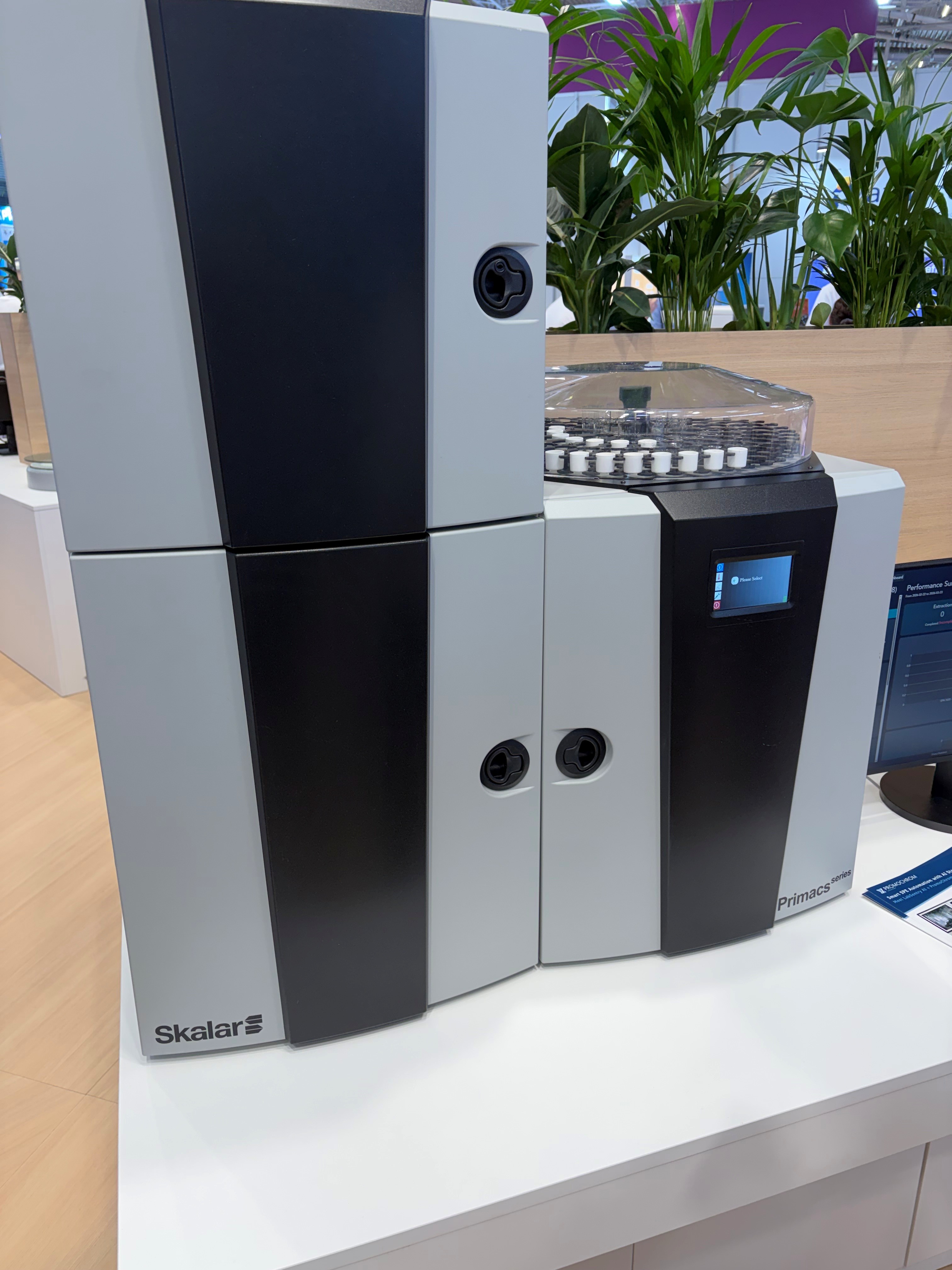
Fig. 9 Skalar carbon / nitrogen analyser
SKALAR BLUVISION
The BluVision discrete analyser is intended for environmental laboratories that process multiple sample types and complex matrices. It performs automated colorimetric measurements for nutrients and other water-quality parameters, enabling higher throughput and consistent results for drinking water, wastewater and environmental monitoring (Fig. 10).
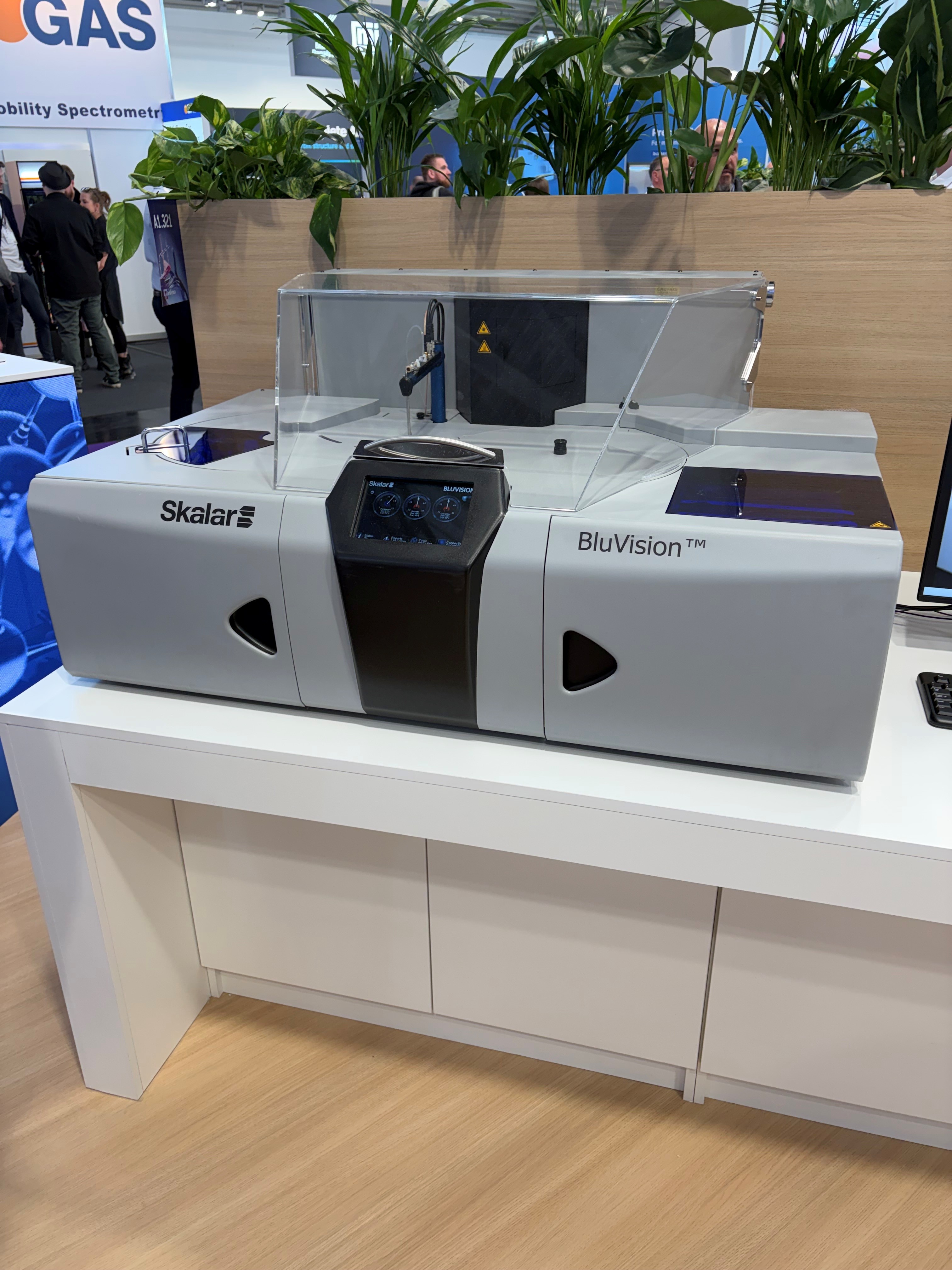
Fig. 10 Skalar BluVision instrument
SKALAR SAN++ series
Automated wet-chemistry analysers, also called continuous flow analysers (CFA), are modular instruments that laboratories can configure to handle either small batches or high sample throughputs (Fig. 11).
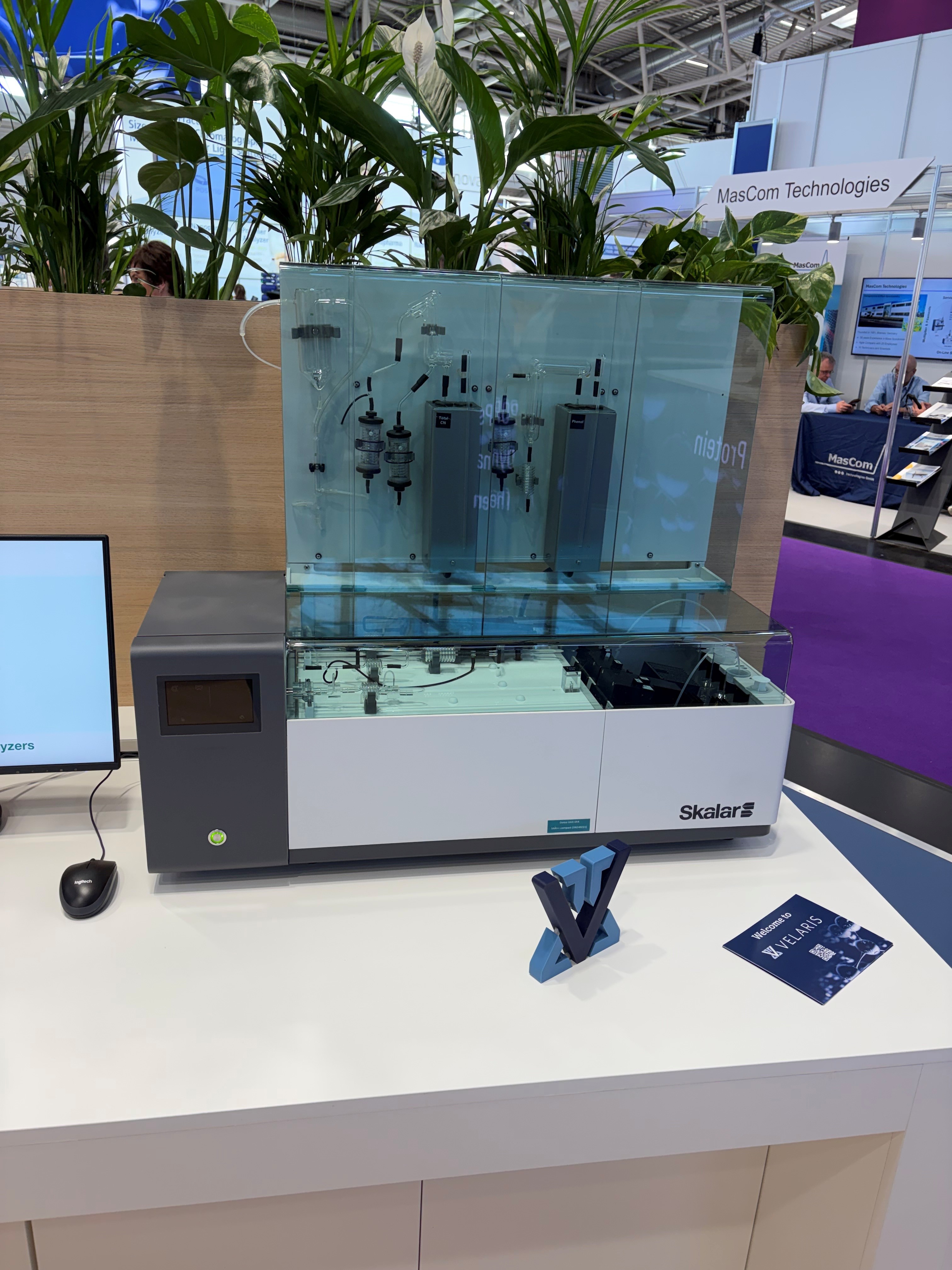
Fig. 11 Skalar continuous flow analyser
Conclusions
Analytica is an outstanding global event where scientists can discover the newest laboratory technologies and research and connect with peers in their field. Below are the main takeaways I gained from attending.
Green chemistry - with the impact of climate change, this is a very important topic and there were many lectures on this subject. Although laboratories play a small role in climate change, it is still important that they act and adapt to the recommendations for becoming green.
Contaminants - most of the trade fair stands and conference presentations focused on contaminants and efficient means to characterise and quantify them. These contaminants included the usual suspects such as PFAS, mineral oil saturated hydrocarbons (MOSH), mineral oil aromatic hydrocarbons (MOAH) and microplastics. Toxic substances from packaging and especially recycled packaging were a hot topic.
There are strong regulations in Europe about the levels of contaminants in food and water, so Europe is leading the world in this area. To simplify analysis there are dedicated instruments for each contaminant with automated sample preparation units becoming more common. There are specialised extraction techniques for isolating the contaminants from the sample, including solid phase extraction, and these systems are fully automated.
New Zealand currently has more relaxed contaminant regulations, but if we want to export into the European market, we will need to improve our testing. It is only a matter of time before a better understanding of contamination leads to increased regulation in Aotearoa New Zealand. It is important to keep up to date with the latest technology and research.
Food-Omics and authentication - there were many lectures at the Analytica conference around food-omics with an emphasis on what compounds cause the aromas and flavours in foods. The talks were divided between those that wanted to improve foodstuff by identifying what causes nice aromas and flavours and those more concerned with characterising unwanted aromas and flavours. Food identification was also a hot topic as many countries are trying to protect their products as well as prove authenticity and place of origin. Data fusion is a popular way to do this by using data from many analyses to improve authentication accuracy.
Future laboratories - laboratories continue to evolve and there were a lot of lab technologies on display. Laboratory automation and digitalisation were big topics. This included automated sample preparation, protection and use of data, machine learning models and decision making from these, and the use of AI to help with closed loop systems in dark labs. This space is moving very quickly and if you want to be a world class lab with high throughput and quality data processing then this is a space that needs to be explored.
There was mention of resistance by some people around future laboratories as they worry they will be replaced with automated instrumentation but future laboratories will take away the routine repetitive work so that more data analysis and scientific discovery can be achieved by the precious human resource.
The future is bright with many advanced technologies becoming more mainstream in the field of analytical chemistry.
References
- Psillakis, E.; Pena-Pereira, F. The twelve goals of circular analytical chemistry. Trends in Analytical Chemistry, 2024, 175, 117686. https://www.sciencedirect.com/science/article/abs/pii/S0165993624001687?via%3Dihub
- International Union of Pure Chemistry (IUPAC) Project 2021-015-2-500. Greenness of Official Standard Sample Preparation Methods. https://iupac.org/project/2021-015-2-500
- 3. Benedé, J.; Cagliero, C.; Nemutlu, E.; Pena-Pereira, F.; Bicchi, C.; Javier Carrasco-Correa, E.; Celeiro, M.; Chisvert, A.; Gentili, A.; Godfrey, R.; Gumustas, M.; Krokos, F.; Kumkrong, P.; Llompart, M.; Locatelli, M.; Mester, Z.; Ozkan, S.; Pedersen-Bjergaard, S.; Segundo, M.; Tobiszewski, M.; Psillakis, E. Greenness assessment of 174 CEN, ISO, and pharmacopoeia standard methods and their sub-methods used for environmental, food, trace element and pharmaceutical analyses. Advances in Sample Preparation, 2025, 14, 100180.
- . Stampolaki, E.; Mondello, A.; Alladio, E.; Oliveri, P.; Mazzoleni, A.; Pena-Pereira, F.; Psillakis, E. GreenSOL: Green solvent guide for analytical chemistry based on production-to-end-of-life assessment. Trends in Analytical Chemistry, 2026, 194, 118531. https://www.sciencedirect.com/science/article/pii/S0165993625003991
- Garber, F.; Bockmayr, B.; Creydt, M.; Fischer, M.; Seifert, S. Data fusion of elemental and metabolic fingerprints of asparagus with random forest approaches. Analytica Chimica Acta, 2025, 1357, 344006. https://www.sciencedirect.com/science/article/pii/S0003267025004003
- Drug Target Review. How self-driving labs are changing drug development. March 2026. https://www.drugtargetreview.com/how-self-driving-labs-are-changing-drug-development/1866601.article
- GERSTEL Automation Application Notes. https://www.gerstelus.com/resources-appnotes/
- Todd, A. The benefits and limitations of laboratory automation in analytical laboratories. Chemistry in New Zealand, 2025. https://www.cinz.nz/posts/the-benefits-and-limitations-of-laboratory-automation-in-analytical-laboratories
- Bartsch, J.; Uhde, E.; Salthammer, T. Analysis of odour compounds from scented consumer products using gas chromatography-mass spectrometry and gas chromatography-olfactometry. Analytica Chimica Acta, 2015, 904, 98-106. https://www.sciencedirect.com/science/article/abs/pii/S0003267015013902

