University of Otago, Department of Chemistry
Chemistry department continues its support of Hands On at Otago programme
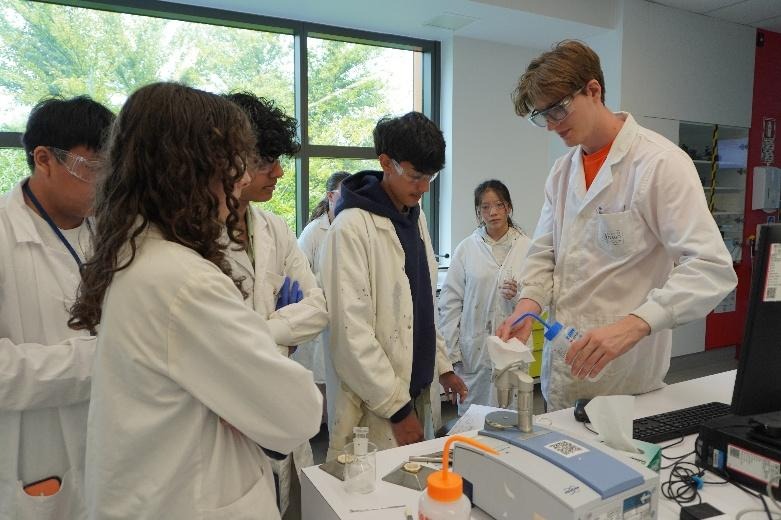
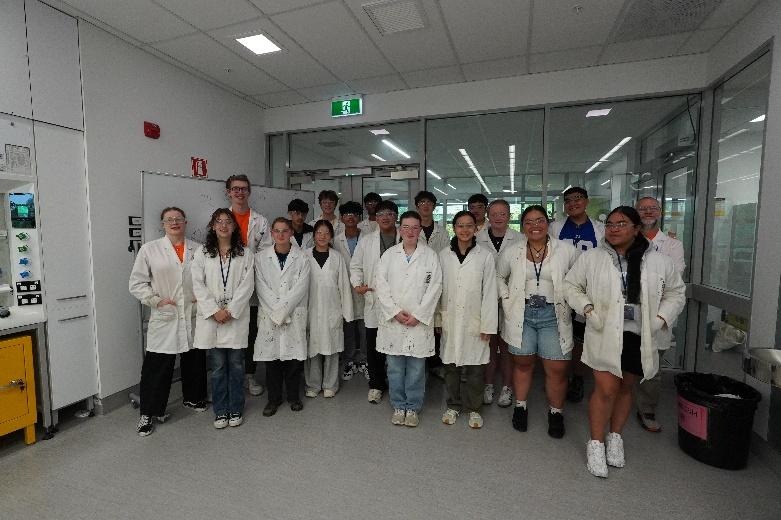
Hands On at Otago is a residential camp for Year 11-13 students, designed to give them a taste of university life and of what various areas of research are actually like. The department of chemistry has been involved in running week-long projects as part of the programme for almost 30 years. This past January, two projects were run on natural products chemistry and nanochemistry.
Natural products chemistry
An important part of chemical research involves finding and making new molecules with useful properties. Inspiration for this can come from nature, and natural products chemistry is an area where chemists seek out interesting molecules from natural sources such as plants and microbes.
Using caffeine as a case study, the natural products chemistry project group spent the week exploring different aspects of this area of chemistry.
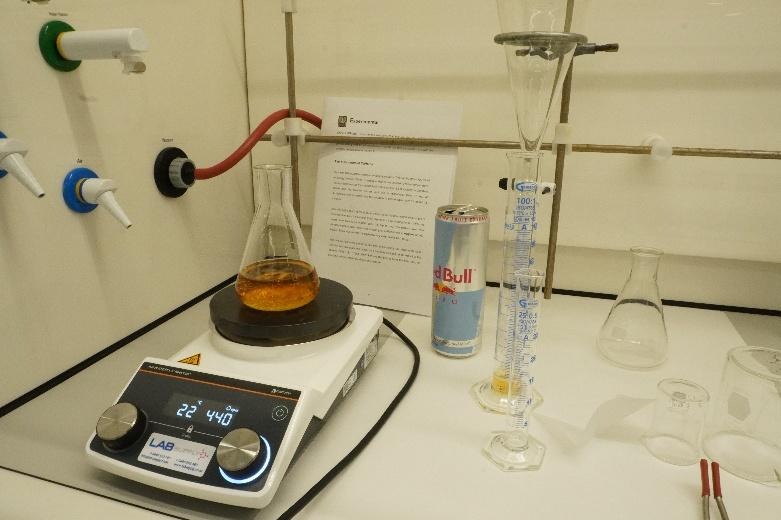
Initially students extracted caffeine from green tea, coffee and energy drinks. Samples of the chosen drink were treated with base to increase their pH and then the caffeine was extracted into dichloromethane. Separation of the water and dichloromethane solutions and boiling of the solvent gave pure caffeine.
They then synthesised caffeine from either theobromine or theophylline via a methylation reaction. The reaction, and the work-up, were carried out in the same way as postgrad students would do them. TLC was used to check the completeness of the reaction. And then 1H NMR, IR and mass spectra of the compounds made were collected by the students to check that what they had made really was caffeine by comparing spectra of the product to the starting compounds.
Nanochemistry
In the nanochemistry project, students explored key concepts through experiments and computational modelling centred on silver. In a side experiment, the students also functionalised some silica nanoparticles as an example of how surface chemistry can be manipulated.
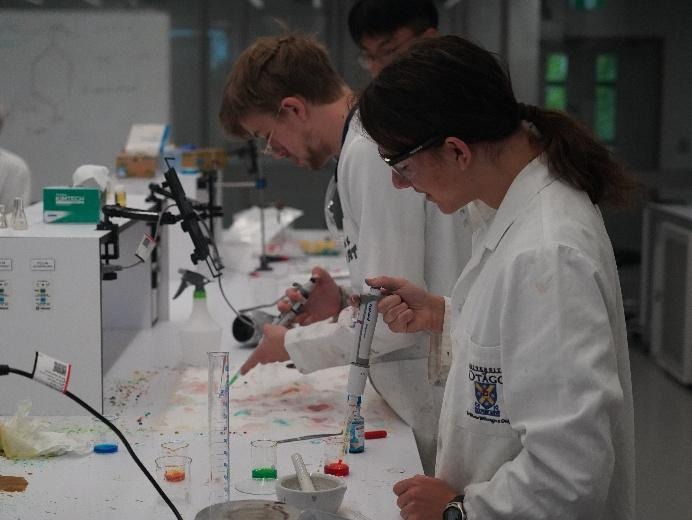
Bulk silver was made in two different ways as an example of everyday silver. Silver fractals were formed by using an electric current to reduce silver ions to solid silver, producing silver snowflakes. Students also created silver mirrors inside sample vials using the aldehyde test whereby silver ions were reduced by glucose.
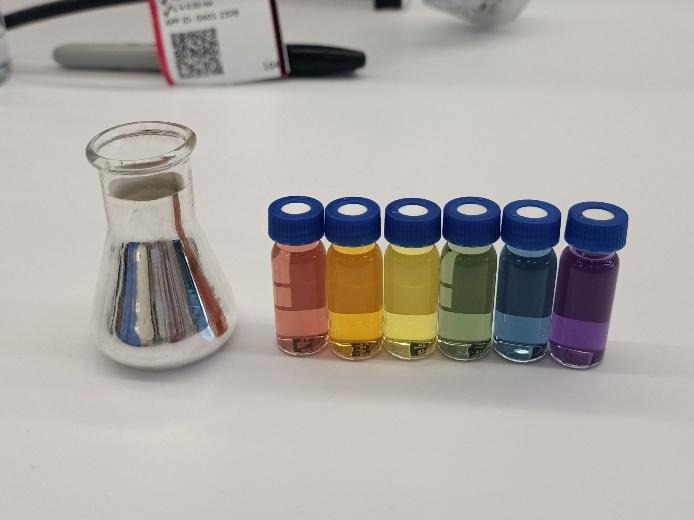
The focus then shifted to silver at the nanoscale. Here the students were able to produce silver rainbows by changing the size of the suspended silver nanoprisms. To complement this, a computational modelling exercise was completed, enabling them to gain an appreciation for how the different nanoparticle sizes change the observed suspension colour. Here, we also introduced the idea that some surfaces/nanoparticles are more reactive than others. This was verified using UV-vis spectroscopy, where the students were able to complete a catalysis experiment comparing the rate of reaction of their smallest and largest nanoprisms.
In a final activity, students functionalised silica nanoparticles with long hydrocarbon chains to make super-hydrophobic paper.
Brooker Group
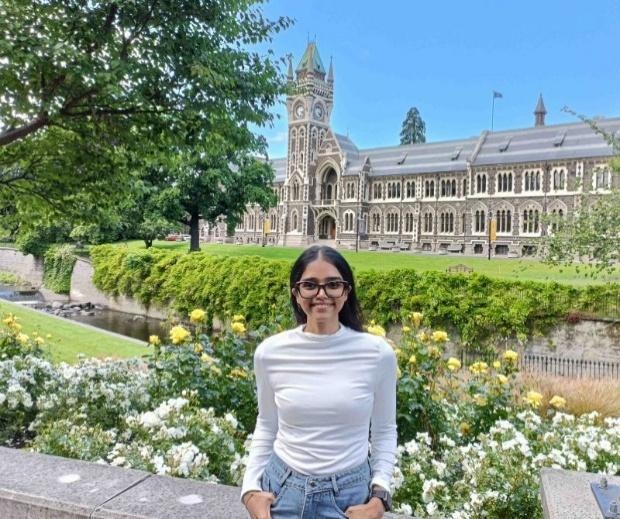
We have welcomed Supriya Kumar, our new MacDiarmid Institute funded PhD student from India. Supriya completed her MSc in India before gaining some industry experience as an R&D chemist, working for 6 months at Eurofins Advinus Hyderabad, followed by 8 months at Bioorganics and Applied Materials. She started her PhD in the Brooker Group on 1 December 2025. Her project is a collaborative one, working on developing, characterising and testing covalently attached molecular catalysts for electrocatalytic CO2RR and HER, which will also see her regularly working in Professor Aaron Marshall’s labs at the University of Canterbury. Welcome Supriya!!
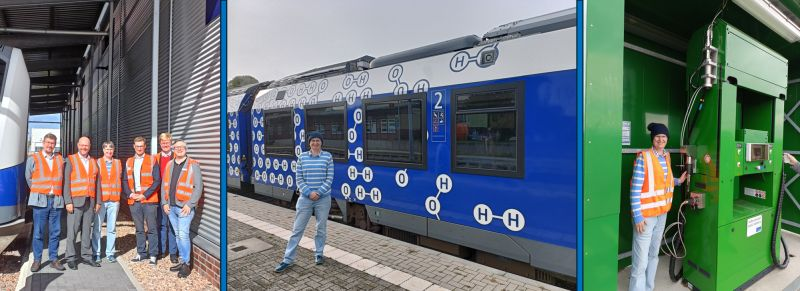
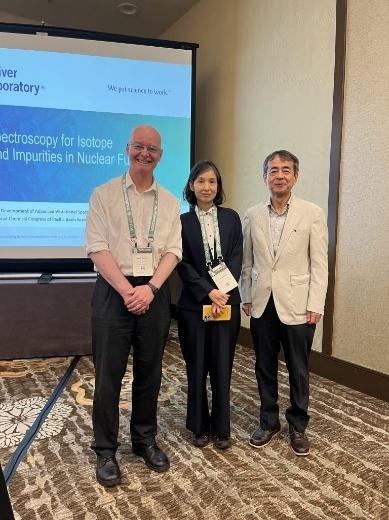
Sally had a fantastic visit to see Christoph Grimm and Christoph Nagel of Eisenbahnen und Verkehrsbetriebe Elbe-Weser GmbH (evb) and Oliver Mairinger of Alstom in September with Jose Bellosta von Colbe (Helmholtz-Zentrum Hereon), to discuss their hydrogen fuel cell passenger trains which have been successfully operating out of Bremervörde, Germany, on non-electrified lines, alongside the remaining diesel trains, for many years now. Sally rode on a normal train service to Bremervörde, which happened be a H2 train (50:50 chance of this!) and was given a tour of their new workshop and the hydrogen refuelling site - most impressive!
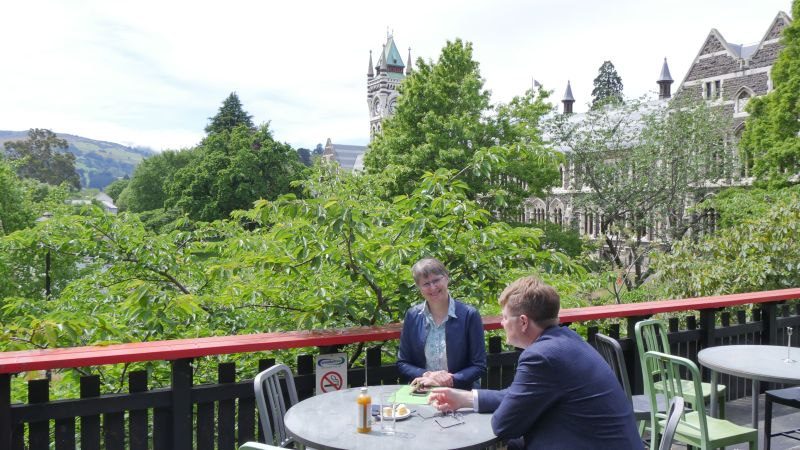
NZ joined Horizon Europe nearly 2 years ago, with a pleasing number of successful EU-NZ team bids funded to date. Neihana Waitai and Hugo Bussell of MBIE (Ministry of Business, Innovation and Employment) hosted an informative Horizon Europe Roadshow in Dunedin where Sally met up again recently with EU Ambassador for Horizon Europe, Lawrence Meredith. There was discussion around our aligned views on NZ's amazing natural resources for growing renewable electricity generation and storage, with the associated benefits of energy resilience and independence, plus the incredible economic opportunities this represents for NZ, and how to best collaborate on facilitating this transition. Sally also popped over to the Chemistry Department, where Dave Warren and Alex Haack demonstrated green hydrogen production from water using one of our mini-electrolyser kits (we = He Honoka Hauwai | the German-NZ Green Hydrogen Centre have sets of these for schools’ outreach and public engagement), then the fuel cell turning it back into electricity to spin a fan, or propel a mini-car, with the only emission being water. Thanks to Lucy Ross (another amazing University of Otago alumnus!) and to Lewis Mitchell for the photos!
Gordon Group
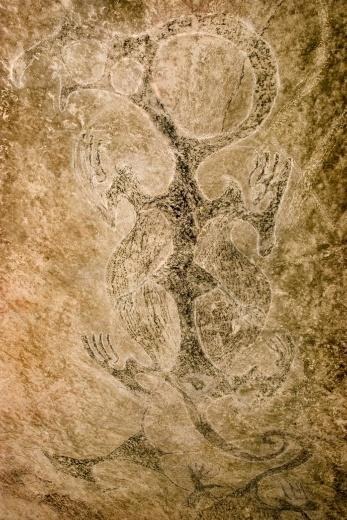
Congratulations to Keith Gordon on his Marsden success. Keith is one of the associate investigators in the grant, “Tales of time and scale: looking back in time through Aotearoa’s rock art”. Marsden Fund awards seek “to support outstanding researchers to pursue ambitious interdisciplinary projects that seek to uncover new knowledge.” The project is led by Dr Philip Novis from the Bioeconomy Science Institute and Amanda Symon from the Ngāi Tahu Māori Rock Art Trust. Keith will be involved in the use of spectroscopy to investigate the pigments and analyse fragments from museums and other to understand the formulation of these ancient dyes. The media release may be found here at the Royal Society Te Apārangi site.
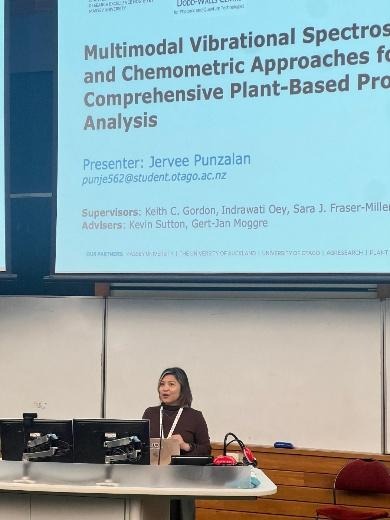
Congratulations to Jervee Punzalan for her new paper, “Pulsed Electric Field Processing Modifies Protein and Nonprotein Components in a Blended Oat-Pea Model Milk and Yoghurt Alternative: Molecular Insights and Impacts on Key Functionalities” published in Food and Bioprocess Technology in collaboration with Food Science Otago, New Zealand Institute for Bioeconomy Science Limited, Plant & Food Research Group and Monash University. It describes the use of pulsed electric fields (PEF) in altering the protein structure in dairy alternatives based on oat and pea milk. Jervee showed, using infrared spectroscopy with chemometrics, that PEF resulted in higher levels of β-sheets which indicated a limited occurrence of protein reaggregation involving potential protein–nonprotein interactions. These are seen in this blended mixture and do not occur in the individual extracts, highlighting the complexity of formulating food materials and the power and insight provided by vibrational spectroscopy.
Congratulations to Lisa Leung (Honours student) who spoke with her co-supervisor, Charlotte King, at the recent 27th Symposium of the Australian and New Zealand Forensic Science Society in Melbourne.
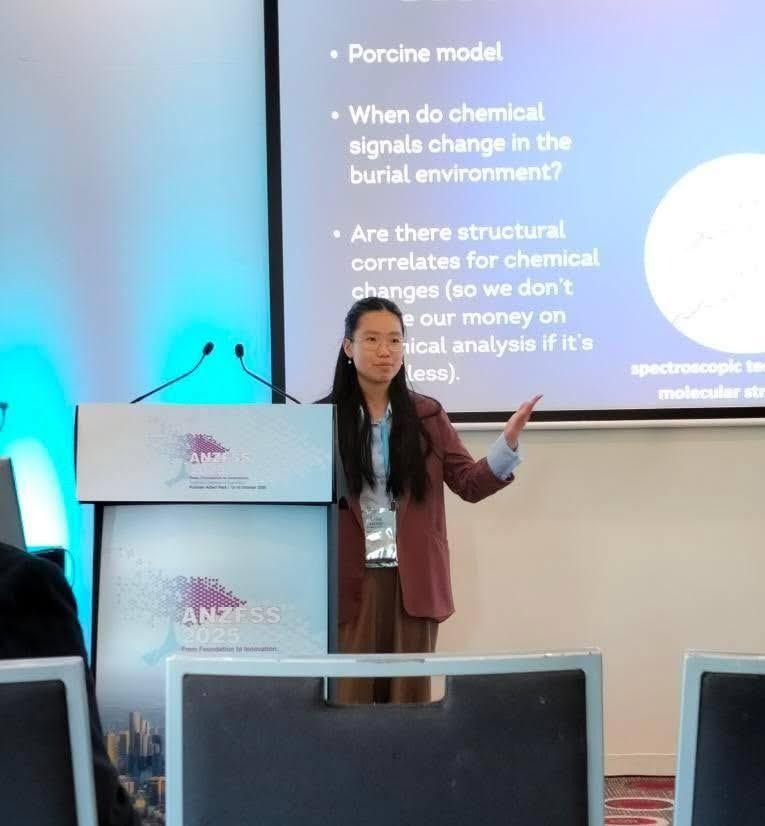
Her presentation, “How much can we trust the chemical signals in hair? A journey from historical poisoning to modern decomposition experiments” used results from Lisa’s Honours thesis in forensic science in which she quantified hair changes using spectroscopy and correlated that work with isotope studies. Also, congratulations to Lisa on obtaining a First Class Honours in Forensic Science and starting her PhD.
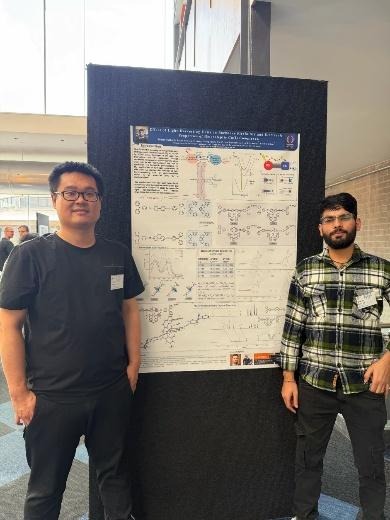
Many of us attended the Dodd Walls Symposium at Victoria University in Wellington in November. Keith Gordon gave a presentation as ex-Deputy Director of Science and also attended the Board meeting as Deputy Director. Jervee Punzalan, ElKhansa ElBashier, Mitchell Chalmers and Peter Remoto all gave talks while Anam Zulfiqar presented a poster.
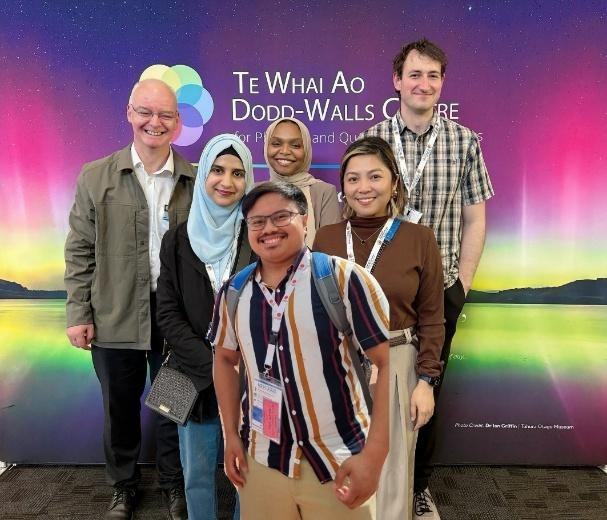
Peter’s talk on “Exploring the complex solid-state landscape of carbamazepine using low-frequency Raman spectroscopy” was based on his work described in Pharmaceuticals 2024, 17 (12), 1659 and Pharmaceutics 2023, 15 (5), 1526.
Mitchell’s presentation on “Breast microcalcifications via Raman spectroscopy” showed how his newly developed dual beam backscattering and transmission sampling system provided higher accuracy for the identification of calcification in buried tissue phantoms. Some of the early steps in this work are described in Journal of Raman Spectroscopy 2025 and Applied Spectroscopy Practica 2024, 2 (4), 1 – 12
Khansa’s presentation entitled, “Raman + DFT for optically active materials” showcased her work on donor-acceptor compounds encapsulated in her recent papers The Journal of Physical Chemistry A2025, 129 (34), 7832–7841 and The Journal of Physical Chemistry A 2025, 129 (4), 1026–1041.
Jervee’s talk on “Spectroscopy for plant-based protein analysis” was based on her publications this year, including Food Chemistry 2025, 473, 143062. and Journal of Raman Spectroscopy, 2025; 56:788–800. Jervee also won a speakers prize at the symposium!
Anam’s poster was entitled, “Raman spectroscopic analysis of molar teeth samples in relation to cord-blood Vitamin D status”. This collaborative work builds on earlier studies published in Journal of Bone and Mineral Research 2023, 38 (12), 1846–1855.
Gourav and Victor (Zizhong Zhang) attended the MacDiarmid Institute symposium in Auckland, also in November. Victor’s poster described some of the materials he has been making as part of the Marsden project, “Hydrogen generation with sustainable resources – a combined molecular, computational and engineering approach”.
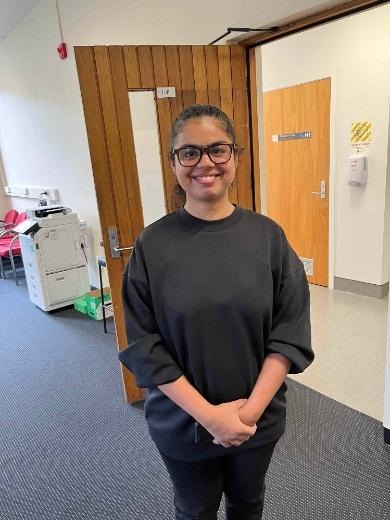
We also welcomed Sana Maroof to the group. She is from Pakistan and completed her Master of Science in physics at COMSATS University Islamabad, Lahore Campus. During her master’s research, she focused on valleytronics in 2D materials, using density functional theory (DFT) to explore their electronic and optical properties. She started her PhD at the University of Otago under the supervision of Professor Keith Gordon, working on the application of low-frequency Raman spectroscopy for the evaluation and design of new materials. Her research combines low frequency Raman spectroscopy with DFT simulations to develop a deeper understanding of material structure, vibrations, and functionality.
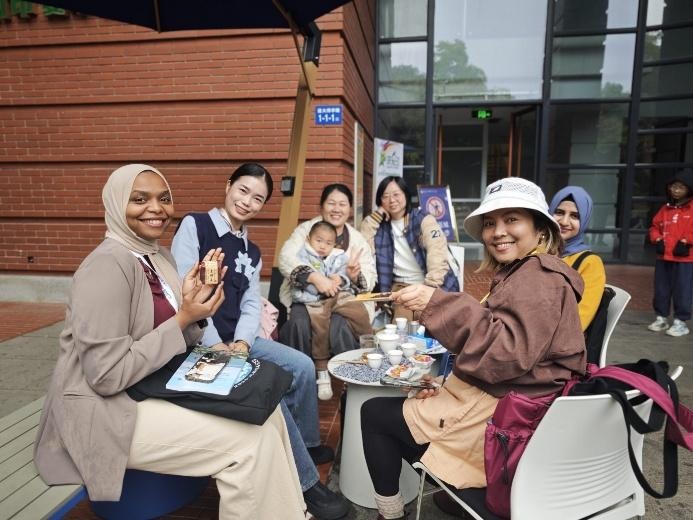
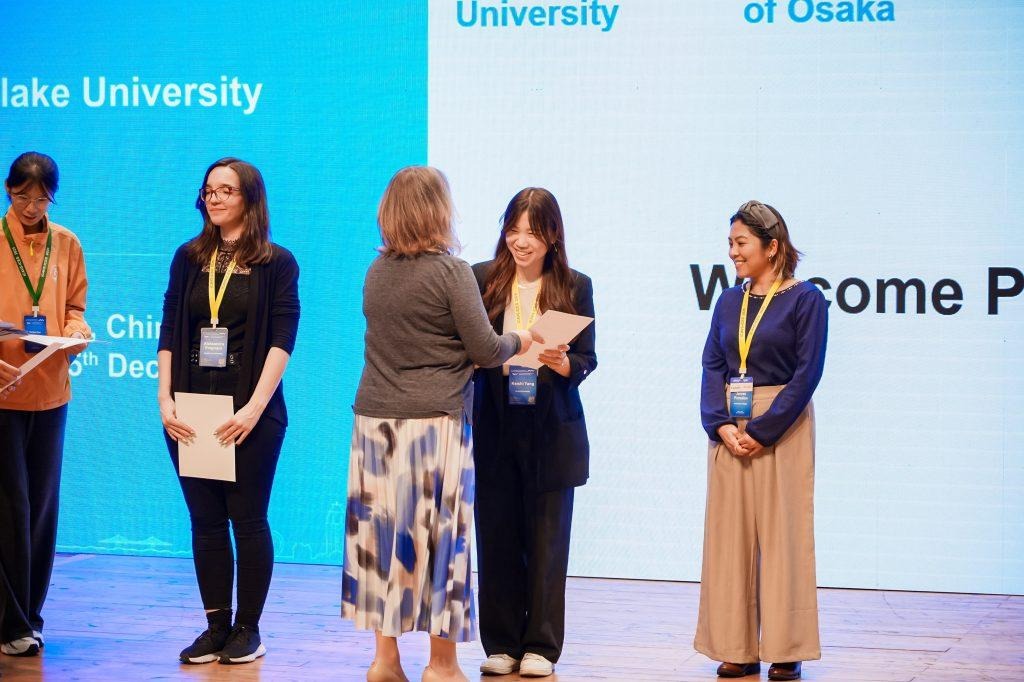
While attending the 13th International Conference on Advanced Vibrational Spectroscopy (ICAVS13) in China, Jervee, Elkhansa, and Anam were invited to try traditional Chinese tea with some of Xiamen University’s English students on the first day of the conference. The tea is a dark tea called Old Friend “老朋友”, which is a fermented tea. They learnt that there are 6 types of tea according to the length of the fermentation process. A question that has been wandering in our minds is whether we will be able to use vibrational spectroscopy to identify the age of different types of tea. Sounds like a job for chemometrics.
We had a busy afternoon at the ICAVS with Khansa giving her talk on donor-acceptor dyes, then right after that Jervee giving a flash presentation on her work on plant-based proteins and their evaluation using spectroscopy and chemometrics, then Peter giving a flash presentation on his work on photocatalysts. Jervee, Peter and Anam all presented their posters, directly after the flash talks, and Keith attended the International Steering Committee meeting as the current Chair. The next meeting in 2027 will be in Jeju in Korea and planning for that is well underway.
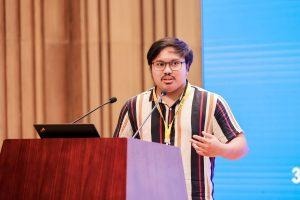
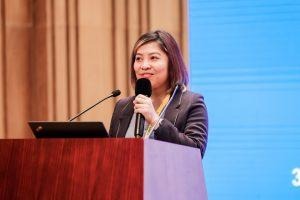
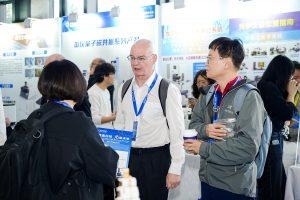
Keith presented an invited talk at ICAVS13. Entitled, “Using vibrational spectroscopy and computational chemistry to understand polymorph transformation in pharmaceuticals” the presentation highlighted the use of low frequency Raman spectroscopy combined with PBC DFT calculations to detect crystallisation onset in pharma samples and order transition phases that reflect localised molecular mobility with temperature.
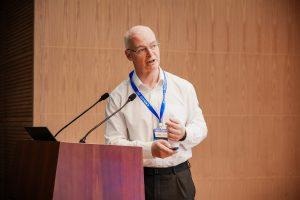
Congratulations to Jervee who won a poster prize at ICAVS. Her poster described her work on PEF-treated plant-based materials to improve protein yield in plant-based meal. Her work has shown that protein conformation is changed depending on processing conditions, thus leading to modifications in processing for the optimal product.
Still at ICAVS, Amir attended the Konference on Optics, Atoms, and Laser Applications 2025 (KOALA). He presented a poster entitled, “The push and the pull: examining the effect of electron-donating and electron-withdrawing substituents in heteroleptic Cu(I) complexes”, along with a flash talk.
The work described in the poster concnerns the photophysical properties of a series of heteroleptic Cu(I) complexes that incorporate the bulky ligand 4,4′-dimesityl-2,2′-bipyridine (diMESbipy), along with a family of 4,4′-bis(phenylethynyl)-2,2′-bipyridine derivatives bearing electronically modified phenyleneethynylene (PE) substituents. These derivatives include: 4,4′-bis(phenylethynyl)-2,2′-bipyridine (LH), 4,4′-bis((4-nitrophenyl)ethynyl)-2,2′-bipyridine (LNO₂), 4,4′-bis((4-methoxyphenyl)ethynyl)-2,2′-bipyridine (LOMe), and 4,4′-bis((perfluorophenyl)ethynyl)-2,2′-bipyridine (LPFP). Cu(I) complexes show quasireversible Cu(I)/Cu(II) redox with geometry change (tetrahedral → square planar). The MLCT transition was validated by TD-DFT and Resonance Raman spectroscopy. Substituent electronics tune HOMO/LUMO energies and CT behavior. Variable Temperature (VT) emission study revealed reduced emission, indicating the absence of aggregation phenomena.
Mitchell’s paper on calcifications buried in wax tissue phantom was awarded the inaugural Peter Griffiths Best Paper Award for Applied Spectroscopy Practica. Peter Griffiths was one of the innovators of FTIR spectrometers – it is a real honour to be bestowed an award named after him. You can find the paper here: M. C. Chalmers, T. Tomberg, K. C. Gordon, S. J. Fraser-Miller, Discriminating Model Microcalcifications Immersed and Under Varying Depths of Wax Using Deep Low-Frequency Raman Spectroscopy, Applied Spectroscopy Practica 2 (2024) 1 – 12.
Keith also gave an invited talk at Pacifichem and the final presentation from the group for 2025. He described the work (with Professor James Crowley) on hydrogen photocatalysis in the session, Latest Development of Advanced Vibrational Spectroscopy.
Amir Sohail submitted his PhD thesis for examination in January. His thesis entitled, “Electronic structure and charge-transfer dynamics in donor-acceptor dyes and heteroleptic model complexes” focuses on spectroscopy of such systems and he has already published a paper from his work:
Congrats to Fatema on the publication of her final paper from her thesis (she graduated a few years ago). Her paper, "Advancing the analysis of fatty acid composition in animal-based marine oils through the integration of Raman and IR spectroscopy with chemometrics" has just been published in Foods. The full citation is: Ahmmed, F.; Gordon, K.C.; Card, A.; Killeen, D.P.; Fraser-Miller, S.J. Advancing the Analysis of Fatty Acid Composition in Animal-Based Marine Oils Through the Integration of Raman and IR Spectroscopy with Chemometrics. Foods 2026, 15, 183, https://doi.org/10.3390/foods15010183.
The paper describes the analysis of krill and fish oils and the development of spectroscopic methods that allow for the quantification of fatty acid methyl ester (FAME) profiles in animal-based marine oils and potential adulterants (palm oil, ω -3 concentrates in ethyl ester, and generic fish oil). These profiles are important for assessing oil quality, conventionally determined via gas chromatography. This paper offers a method of rapidly and non-destructively obtaining such data.
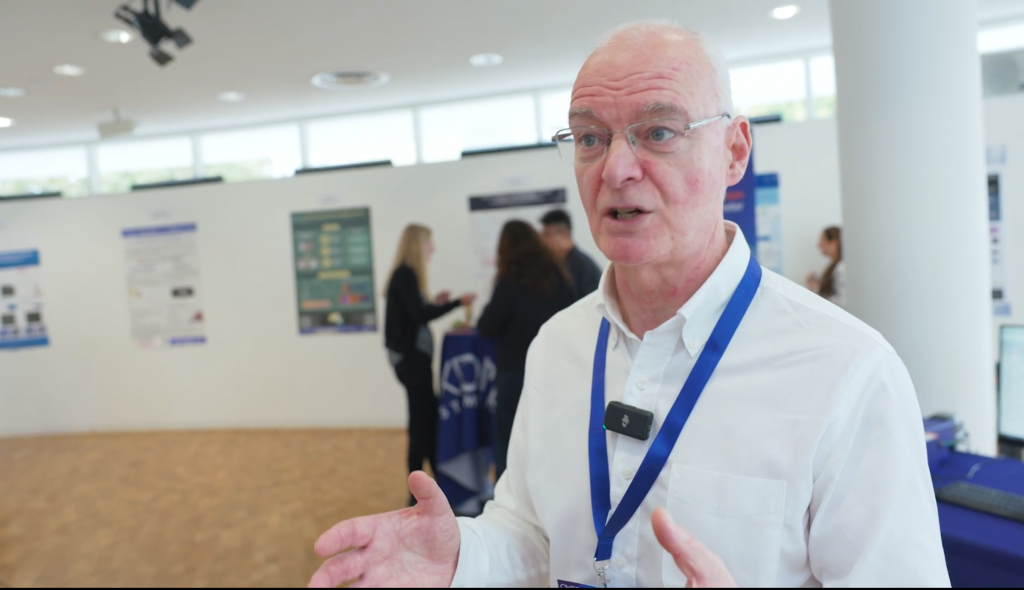
Last year Keith gave a keynote at the 21st Raman Imaging Symposium in Ulm Germany. As part of that he was interviewed and the video of the discussion can be found here:
https://andor.wistia.com/medias/gk8gcup8id
Publications
Congratulations to Skyler Morrison for his contribution to a paper from the Crowley group as part of his Chem390 project. The paper describes work on water-soluble cobalt complexes that have potential as gelling agents.
He, Q.; Morison, S.; Prados-Martin, L.; McAdam, C. J.; Brooks, H. J. L.; Gordon, K. C.; Lim, K. S.; Crowley, J. D. Water-Soluble Cobalt(III)–Polypyridyl Complexes: Synthesis, Structures and Properties. European Journal of Inorganic Chemistry 2026, 29 (1), e202500561, https://doi.org/10.1002/ejic.202500561 .
Congratulations to Samanli – her recent paper in Spectrochimica Acta Part A describes the final piece of her PhD in which she was able to point to contributing factors in degradation of harakeke fibres.
Samanali, G. A. P.; Lowe, B. J.; Smith, C. A.; Fraser-Miller, S. J.; Gordon, K. C. Artificially light-aged, black-dyed harakeke fibres: Understanding the correlations between chemical composition and fibre properties using vibrational spectroscopy and chemometrics. Spectrochimica Acta Part A: Molecular and Biomolecular Spectroscopy 2026, 347, 126960, https://doi.org/10.1016/j.saa.2025.126960 .
Congratulations to Jervee who contributed to work on chia seed mucilage extraction with collaborators in Australia and the Riddet Institute. Jervee used infrared spectroscopy with multivariate analysis to show the modification in yield of protein and fat in the mucilage with increased PEF - this was also corroborated by her DSC studies. Another step forward in providing high quality plant-based protein using new technologies such as pulsed electric field processing.
Full citation: D. Solanki, J. M. Punzalan, I. Oey, A. Meriaux, K. C. Gordon, B. Bhandari, J. K. Sahu, S. Prakash, Non-thermal extraction and modification of chia seed mucilage using Pulsed electric field, Food Hydrocolloids, 2026, 172, 111954. https://doi.org/https://doi.org/10.1016/j.foodhyd.2025.111954
Congratulations to Jervee, again, on the publication of her work with Norma Bagarinao and co-workers. Using mid-infrared spectroscopy and chemometrics it was possible to evalute protein conformation as a function of processing and heating. The study shows “mechanistic insights provide a foundation for future studies examining how germinated oat flours perform under more complex processing and formulation conditions, which may further modify protein digestibility”.
Bagarinao, N. C.; Punzalan, J.; King, J.; Leong, S. Y.; Agyei, D.; Gordon, K.; Sutton, K.; Oey, I. Effects of germination temperature on physicochemical properties and in vitro protein digestibility of oat flour (Avena sativa). Food Chemistry 2026, 506, 148174. https://doi.org/10.1016/j.foodchem.2026.148174
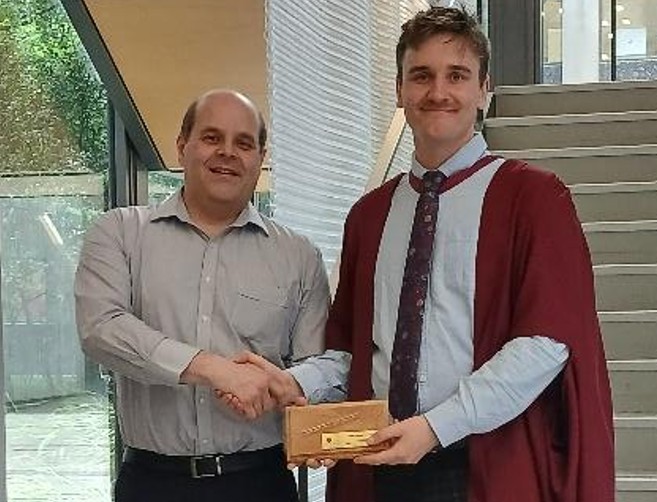
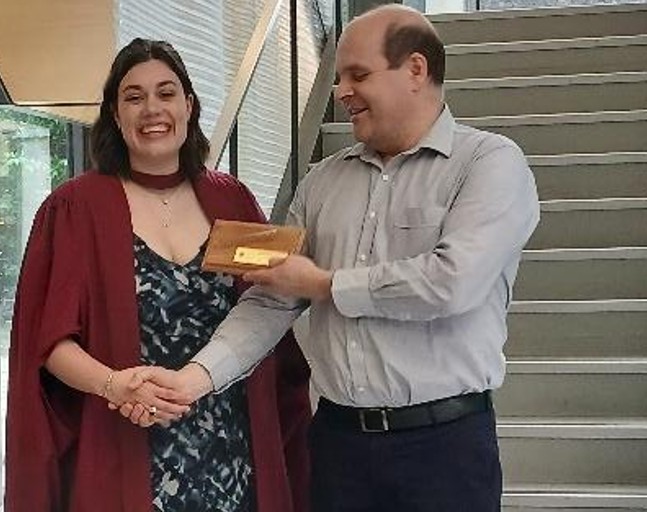
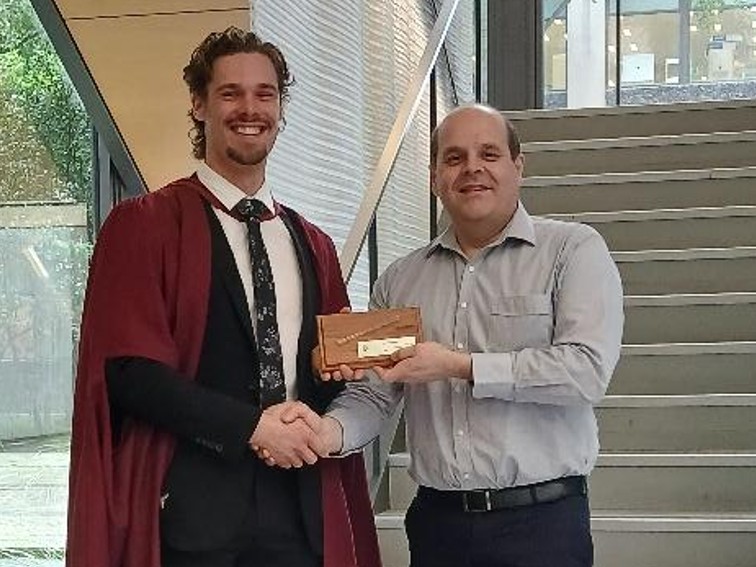
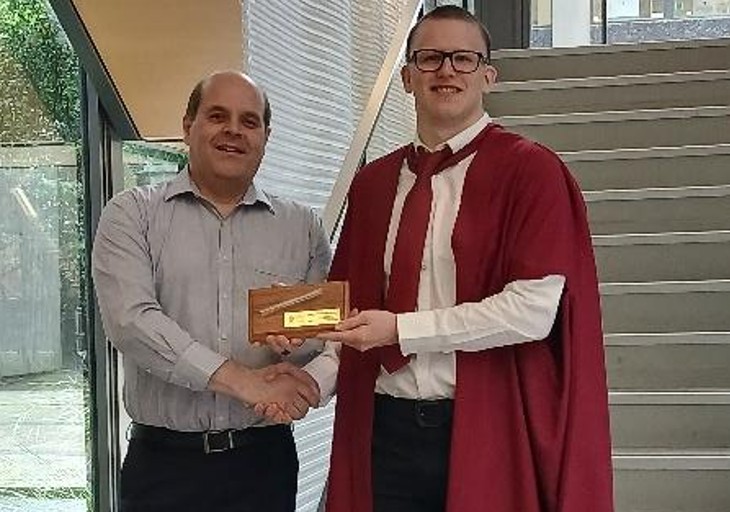
December 2025 graduation morning tea
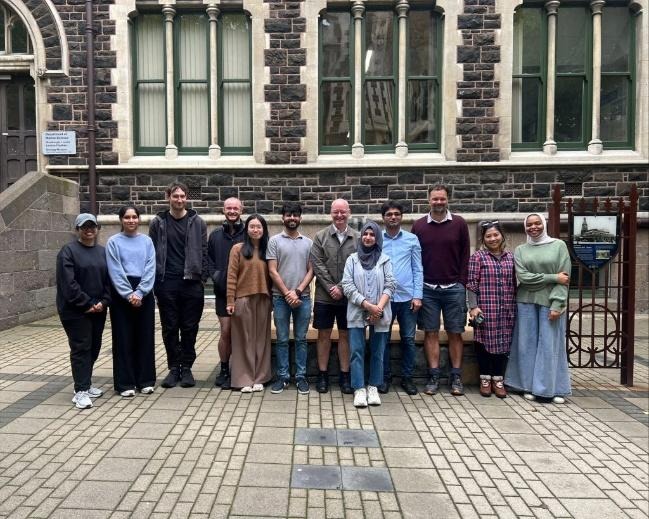
Congratulations to all our PhD graduates! It was great to celebrate with you, your families and friends over morning tea. Here are some photos from the event.